BHRC BLOG
AOD-9604 Appetite-Neutral Fat Loss Process: Weight Management Without Hunger Changes
One of the most challenging aspects of weight management is dealing with constant hunger, food cravings, or hormonal disruptions that sabotage your nutrition plan. Many weight loss approaches either leave you fighting intense appetite stimulation or relying on appetite suppressants that fundamentally alter your relationship with food. Understanding how the AOD-9604 peptide works reveals a distinct metabolic approach that targets fat tissue directly without modifying hunger signals, cortisol levels, or appetite hormones.
AOD-9604 is a modified fragment of human growth hormone (specifically amino acids 176-191) that was developed to isolate the fat-reducing properties of growth hormone while eliminating the metabolic side effects. Through its selective action on adipose tissue and beta-3 adrenergic receptors, this peptide stimulates lipolysis and fat oxidation without triggering the appetite changes, glucose disruptions, or hormonal alterations commonly associated with weight loss interventions.
This comprehensive guide examines the AOD-9604 appetite-neutral fat loss process, covering its unique mechanism of action, the scientific research demonstrating its metabolic specificity, practical dosing protocols, safety profile, and what makes this peptide fundamentally different from both appetite suppressants and compounds that stimulate hunger. Whether you are seeking a weight management option that preserves your existing nutrition plan or want to understand how targeted lipolysis works without central appetite effects, this article provides the research-backed foundation you need.
Medical Disclaimer: This article is for educational purposes only and does not constitute medical advice. Consult with a qualified healthcare provider before starting any peptide protocol. Individual results may vary.
What is AOD-9604 and How Does It Work Without Affecting Appetite?
AOD-9604 is a synthetic peptide fragment (amino acids 176-191 of human growth hormone) that stimulates fat breakdown through beta-3 adrenergic receptors in adipose tissue, working peripherally on fat cells rather than centrally on hunger signals. Here’s what makes it appetite-neutral:
- Mechanism: Activates lipolysis via beta-3 adrenergic receptors in fat tissue
- Appetite Impact: No effect on hunger, satiety, or food intake patterns
- Cortisol: Does not elevate cortisol levels (unlike full growth hormone)
- Administration: Subcutaneous injection, typically daily
- Typical Dosing: 250-500 mcg daily before breakfast
- Metabolic Effects: Increases fat oxidation without affecting insulin or glucose
- Best For: Individuals seeking fat loss while maintaining normal eating patterns
- Key Difference: Works directly on fat tissue, not through appetite regulation
The following guide provides complete details on AOD-9604’s appetite-neutral fat loss mechanism, from cellular pathways to practical implementation protocols.
What is AOD-9604?
AOD-9604 (also known as Advanced Obesity Drug 9604 or Fragment 176-191) is a synthetic hexadecapeptide derived from the C-terminal region of human growth hormone. Specifically, it represents a modified version of amino acids 176-191 from the growth hormone molecule, the segment researchers identified as responsible for growth hormone’s lipolytic (fat-breaking) effects.
Developed by Metabolic Pharmaceuticals in Australia, AOD-9604 was engineered to retain the fat-reducing properties of intact growth hormone while eliminating the undesirable effects on glucose metabolism, insulin sensitivity, and tissue growth. The peptide consists of just 15 amino acids with a tyrosine modification at the N-terminus, creating a stable fragment that selectively targets adipose tissue.
Unlike full-length growth hormone, which binds to growth hormone receptors throughout the body and triggers widespread metabolic changes including appetite stimulation, AOD-9604 does not activate the hGH/IGF-1 pathway. This critical difference means it functions as a targeted lipolytic agent rather than a systemic hormone, allowing for fat metabolism enhancement without the appetite disruptions, cortisol elevation, or blood sugar effects associated with growth hormone therapy.
AOD-9604 has been studied extensively in both preclinical animal models and human clinical trials involving approximately 900 participants. While the peptide demonstrated a favorable safety profile, its development as a prescription obesity medication was discontinued in 2007 after mixed efficacy results in larger trials. However, research into its mechanism and metabolic effects continues to provide valuable insights into selective fat tissue targeting.
How AOD-9604 Works at the Cellular Level
AOD-9604 exerts its fat-reducing effects through activation of beta-3 adrenergic receptors located predominantly in adipose (fat) tissue. When the peptide binds to these receptors, it initiates a signaling cascade that increases the expression of lipolytic enzymes, particularly hormone-sensitive lipase, which breaks down stored triglycerides into free fatty acids and glycerol.
Research in obese mice demonstrated that AOD-9604 increases beta-3 adrenergic receptor RNA expression, restoring levels comparable to those in lean mice. This upregulation enhances the tissue’s capacity for lipolysis and fat oxidation. Studies using beta-3 adrenergic receptor knockout mice confirmed the specificity of this mechanism, as these animals showed no fat loss response to AOD-9604.
Additionally, the peptide inhibits acetyl-CoA carboxylase activity in hepatocytes and adipocytes, the rate-limiting enzyme in fatty acid synthesis. This dual action of promoting fat breakdown while simultaneously reducing fat storage creates the net effect of adipose tissue reduction, all occurring at the peripheral tissue level without involvement of central appetite-regulating pathways in the hypothalamus.
Understanding the AOD-9604 Appetite-Neutral Mechanism
The appetite-neutral characteristic of AOD-9604 represents its most distinctive feature when compared to other weight management approaches. To understand why this peptide does not affect hunger, cortisol, or eating behavior, it is essential to examine where and how it acts within the body’s metabolic pathways.
Peripheral vs Central Action
AOD-9604 functions exclusively through peripheral mechanisms in adipose tissue rather than through central nervous system pathways that regulate appetite. The peptide’s molecular structure prevents it from crossing the blood-brain barrier and accessing hypothalamic regions responsible for hunger signaling, satiety, and feeding behavior. This peripheral restriction is fundamentally different from compounds like Semaglutide (a GLP-1 agonist that acts centrally to reduce appetite) or ghrelin-modulating agents that directly influence hunger hormones.
Beta-3 adrenergic receptors, the primary target of AOD-9604, are highly expressed in white and brown adipose tissue but have minimal presence in appetite-regulating brain regions. When AOD-9604 activates these receptors in fat tissue, it triggers localized lipolytic responses without sending signals to the brain’s feeding centers. The free fatty acids released through this process are metabolized for energy through standard oxidative pathways, completely bypassing the neuroendocrine circuits that govern hunger sensations.
No IGF-1 or Growth Hormone Receptor Activation
Full-length growth hormone produces complex metabolic effects including appetite stimulation through IGF-1 (insulin-like growth factor-1) production and direct growth hormone receptor activation. Clinical studies have confirmed that AOD-9604 does not stimulate IGF-1 production in any biological system tested, including human clinical trials monitoring serum IGF-1 levels over 24-week treatment periods.
This absence of IGF-1 stimulation is critical for appetite neutrality because IGF-1 has known effects on hypothalamic neuropeptide expression, including alterations to neuropeptide Y (NPY) and agouti-related peptide (AgRP), both potent appetite stimulators. By avoiding the growth hormone receptor/IGF-1 pathway entirely, AOD-9604 eliminates the appetite-modulating effects that make growth hormone therapy challenging for weight management.
Cortisol Independence
Another critical aspect of AOD-9604’s appetite-neutral profile is its lack of effect on cortisol, the stress hormone that significantly influences eating behavior and body composition. Full growth hormone administration can stimulate cortisol production through various mechanisms, and elevated cortisol is well-documented to increase appetite, particularly for high-calorie comfort foods, and promote abdominal fat accumulation.
Because AOD-9604 does not activate growth hormone receptors and functions through an entirely separate beta-3 adrenergic pathway, it does not trigger cortisol release. While direct cortisol measurements were not specifically reported in the published safety trials, the comprehensive metabolic monitoring across 900+ participants showed no clinically significant hormonal changes, and the mechanism of action provides no pathway for cortisol stimulation.
Preservation of Insulin and Glucose Homeostasis
Unlike growth hormone, which can cause insulin resistance and elevated blood glucose (diabetogenic effects), AOD-9604 has demonstrated no negative effects on carbohydrate metabolism. Oral glucose tolerance tests performed in clinical trials showed no significant changes in glucose handling, and fasting insulin levels remained stable throughout treatment periods.
This metabolic stability is crucial for appetite neutrality because blood sugar fluctuations and insulin spikes are major drivers of hunger and cravings. Compounds that disrupt glucose-insulin dynamics typically create hunger patterns that interfere with dietary adherence. AOD-9604’s selective action on lipid metabolism while preserving glucose homeostasis allows individuals to maintain their normal eating patterns without the reactive hunger that follows blood sugar destabilization.
Clinical Research Findings on Metabolic Specificity
In a comprehensive safety and tolerability study involving approximately 900 participants across six randomized, double-blind, placebo-controlled trials, researchers specifically monitored parameters associated with growth hormone’s systemic effects. The findings confirmed that AOD-9604 displayed a very good safety and tolerability profile indistinguishable from placebo.
Critically, the study documented no significant changes in oral glucose tolerance tests, no alterations in fasting insulin levels, and no changes in serum IGF-1 concentrations across all treatment groups. Together with the absence of symptoms associated with IGF-1-mediated effects such as fluid retention, tissue edema, or impaired glucose tolerance, these results demonstrate that AOD-9604 does not activate the growth hormone/IGF-1 pathway and therefore functions through an entirely appetite-independent mechanism.
In preclinical studies published in Endocrinology, researchers found that chronic administration of AOD-9604 reduced body weight and body fat in obese mice while increasing beta-3 adrenergic receptor expression to levels comparable with lean mice. The study’s use of beta-3 receptor knockout mice confirmed the specificity of the lipolytic mechanism, demonstrating that the peptide’s effects occur exclusively through this peripheral fat tissue pathway.
Benefits of Appetite-Neutral Fat Loss
The appetite-neutral characteristic of AOD-9604 creates several practical advantages for individuals pursuing fat loss while maintaining dietary consistency and avoiding the complications of hunger manipulation.
Dietary Flexibility and Adherence
The primary benefit of an appetite-neutral approach is the preservation of your existing nutrition plan without interference. Unlike appetite suppressants that fundamentally alter hunger signals and can lead to undereating, nutrient deficiencies, or rebound hunger, AOD-9604 allows you to follow your chosen dietary protocol whether that is caloric restriction, time-restricted eating, macronutrient tracking, or intuitive eating based on natural hunger cues.
This is particularly valuable for athletes and active individuals who require adequate caloric intake to support training demands. Appetite suppressants often create conflicts between performance nutrition needs and artificially dampened hunger signals, potentially compromising recovery, muscle preservation, and energy availability. AOD-9604’s peripheral fat-targeting action supports body composition goals without creating this nutritional conflict.
No Rebound Hunger or Metabolic Adaptation
Appetite suppressants that work through central mechanisms (GLP-1 agonists, sympathomimetics, serotonergic agents) typically create tolerance over time, requiring dose escalation, and often produce rebound hunger when discontinued. This rebound effect contributes significantly to weight regain patterns observed after cessation of appetite-modifying medications.
Because AOD-9604 does not suppress appetite mechanisms in the first place, there is no adaptation of hunger-regulating neurons and no compensatory hunger amplification when the peptide is stopped. The metabolic adaptations that occur are limited to the enhanced expression of beta-3 adrenergic receptors in adipose tissue, which actually represents a favorable metabolic improvement rather than a dependence-creating change.
Hormonal Stability
Many weight loss approaches disrupt multiple hormonal axes, creating cascading effects on appetite, stress response, thyroid function, and reproductive hormones. The clinical data on AOD-9604 demonstrates remarkable hormonal stability, with no effects on cortisol, thyroid hormones, sex hormones, or the growth hormone/IGF-1 axis.
This hormonal preservation is especially relevant for individuals with existing endocrine considerations, those prone to stress-related eating, or anyone seeking to avoid the systemic hormonal disruptions that often accompany aggressive fat loss interventions. The peptide’s selective action allows for targeted fat reduction without the hormonal trade-offs that typically complicate weight management.
Synergy with Other Interventions
The appetite-neutral nature of AOD-9604 makes it compatible with various other weight management strategies without creating conflicting signals. It can be used alongside caloric restriction without exacerbating hunger, combined with exercise programs without compromising fueling needs, or integrated with behavioral nutrition approaches that rely on intact hunger and satiety signaling for long-term habit formation.
For comparison, combining multiple appetite-modifying agents often creates unpredictable effects on hunger, energy intake, and metabolic rate. AOD-9604’s peripheral mechanism allows it to work independently of other interventions targeting different aspects of energy balance.
Clinical Weight Loss Results
In a 12-week randomized clinical trial involving 300 obese adults, subjects receiving 1 mg daily of AOD-9604 lost an average of 2.6 kg compared to 0.8 kg in the placebo group. While these results were statistically significant, they represent modest weight loss, particularly when compared to appetite-suppressing medications that typically produce more dramatic short-term results.
This moderate efficacy profile is consistent with the peptide’s mechanism. AOD-9604 enhances one component of energy balance (fat oxidation from adipose stores) without creating the negative energy balance that results from appetite suppression or the metabolic rate increases seen with thermogenic compounds. The practical implication is that AOD-9604 works best as a component of a comprehensive approach rather than as a standalone dramatic weight loss intervention.
Importantly, preclinical studies showed that weight reduction occurred particularly in abdominal adipose tissue, the visceral fat depot most strongly associated with metabolic health risks. This regional specificity, combined with the preservation of lean tissue, suggests favorable body composition changes even when total weight loss is moderate.
AOD-9604 Dosing Protocols for Fat Loss
Optimal dosing of AOD-9604 has been informed by both clinical trial data and ongoing research into the peptide’s pharmacokinetics and fat metabolism effects. The peptide has a very short plasma half-life of approximately 3 minutes, which influences dosing frequency and timing considerations.
Standard AOD-9604 Dosing Protocol
Typical Dosing Range:
- Standard Dose: 250-500 mcg per day
- Clinical Trial Dose: 1 mg (1,000 mcg) per day (most effective in studies)
- Conservative Start: 250 mcg per day for first week
- Maintenance Range: 500 mcg per day for sustained protocols
Frequency: Once daily, typically before breakfast
Timing Rationale: Morning fasted state maximizes fat oxidation potential
Cycle Length: 12-24 weeks for body composition protocols
Administration Route: Subcutaneous injection (abdomen, thigh, or upper arm)
Reconstitution: Bacteriostatic water, standard peptide protocols
Note: Clinical trials used oral formulations, but subcutaneous administration is more common in current use due to improved bioavailability. Start at the lower end of the dosing range to assess individual response.
Timing Considerations
The 3-minute half-life of AOD-9604 means the peptide is rapidly cleared from circulation, with peak effects occurring within the first hour post-administration. For this reason, dosing timing relative to meals and exercise can influence metabolic outcomes.
Most protocols recommend administration in a fasted state, typically first thing in the morning before breakfast. This timing takes advantage of the body’s natural post-overnight fast state when insulin levels are low and fatty acid mobilization is already elevated. Adding AOD-9604’s beta-3 adrenergic stimulation during this metabolic window may enhance the total magnitude of lipolysis.
Some practitioners recommend delaying food intake for 30-60 minutes post-injection to allow the peptide’s peak effects to occur in the continued fasted state. However, because AOD-9604 does not affect appetite or insulin sensitivity, having breakfast immediately after administration does not appear to interfere with the peptide’s fat tissue effects, making timing more flexible than with compounds that rely on specific insulin or glucose states.
Cycle Length and Continuous Use
Clinical trials have safely used AOD-9604 for durations ranging from single doses to 24 weeks of continuous daily administration. No tolerance development to the lipolytic effects was noted in these studies, suggesting that unlike beta-2 agonists (which rapidly desensitize their receptors), beta-3 receptor activation may not produce the same downregulation pattern.
Practical protocols typically employ 12-16 week cycles aligned with focused body composition phases, followed by maintenance periods or off-cycles. The lack of appetite effects means there is no rebound hunger concern when discontinuing, and the absence of hormonal suppression means no post-cycle therapy is required.
For individuals using AOD-9604 as part of ongoing weight maintenance rather than active fat loss, lower doses (250-300 mcg) used several times weekly rather than daily may provide metabolic support while reducing cost and injection frequency.
Administration Guide
AOD-9604 is administered via subcutaneous injection, the same method used for insulin and many other peptide therapies. Proper reconstitution and injection technique ensure optimal peptide stability and absorption.
Reconstitution Instructions
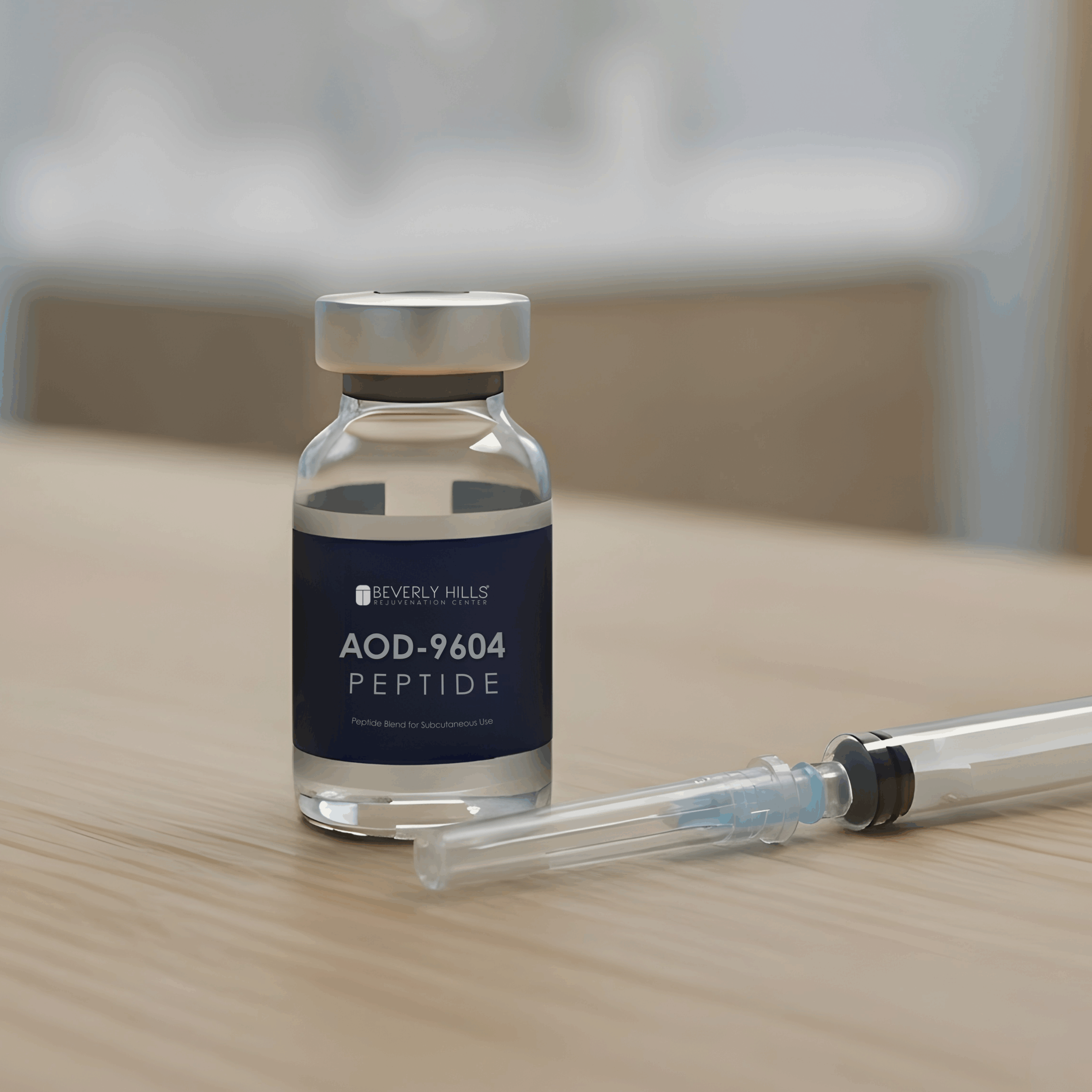
AOD-9604 is typically supplied as lyophilized (freeze-dried) powder in vials containing 5 mg of peptide. Reconstitution requires bacteriostatic water (water containing 0.9% benzyl alcohol as a preservative):
Standard Reconstitution: Add 2 mL of bacteriostatic water to a 5 mg vial, creating a concentration of 2.5 mg/mL (2,500 mcg/mL). At this concentration, a 500 mcg dose equals 0.2 mL (20 units on an insulin syringe).
To reconstitute, inject the bacteriostatic water slowly down the inside wall of the vial rather than directly onto the powder. Gently swirl (do not shake vigorously) until the powder is fully dissolved. The solution should be clear and colorless. Any cloudiness or particles indicate degradation and the vial should not be used.
Injection Technique
Subcutaneous injection involves depositing the solution into the fatty tissue layer between skin and muscle. Common injection sites include the abdomen (avoiding the area immediately around the navel), anterior thigh, or upper arm. Rotating injection sites prevents lipohypertrophy (fat tissue buildup) at frequently used locations.
Use an insulin syringe (typically 0.5 mL or 1 mL capacity with a 29-31 gauge needle). Clean the injection site with alcohol, pinch the skin to create a fold of tissue, insert the needle at a 45-90 degree angle, inject slowly, and withdraw the needle. Apply gentle pressure with a clean gauze if needed but do not massage the area.
Storage Requirements
Unreconstituted lyophilized AOD-9604 should be stored at 2-8°C (refrigerated) and protected from light. Under these conditions, the peptide remains stable for extended periods (typically 12-24 months from manufacture date).
Once reconstituted with bacteriostatic water, the solution should be refrigerated and used within 28 days. The peptide degrades more rapidly at room temperature, so minimize time outside refrigeration. For travel, use insulated containers with ice packs to maintain cool temperatures.
Never freeze reconstituted peptide solutions, as the freeze-thaw cycle can damage the peptide structure. Similarly, avoid exposing vials to excessive heat or direct sunlight.
Results Timeline and Expectations
Understanding the realistic timeline for AOD-9604 effects helps set appropriate expectations and determine whether the peptide is producing its intended metabolic changes.
Weeks 1-2: Metabolic Initiation
During the first two weeks, the primary changes occur at the cellular level and may not be subjectively noticeable. Beta-3 adrenergic receptor expression begins increasing in adipose tissue, and the baseline rate of lipolysis elevates. Because AOD-9604 does not affect appetite, energy levels, or other subjectively perceptible parameters, this initial period may feel unchanged.
Individuals should not expect visible fat loss or weight changes during this initiation phase. The peptide is establishing its metabolic effects on fat tissue, but the total amount of fat oxidized over just 7-14 days is insufficient to produce measurable body composition changes.
Weeks 3-6: Early Fat Loss Phase
Between weeks three and six, the cumulative effect of enhanced daily fat oxidation begins manifesting as measurable changes. Clinical trial participants experienced the majority of their weight loss during this middle phase of treatment. Measurements using body composition methods (DEXA, bioimpedance, caliper) are more informative than scale weight alone, as AOD-9604 may preserve lean tissue while selectively reducing fat mass.
The rate of fat loss with AOD-9604 is modest compared to aggressive caloric restriction or appetite-suppressing medications. Realistic expectations are 0.25-0.5 kg (0.5-1 lb) per week under optimal conditions, with the rate influenced by baseline body composition, dietary habits, activity level, and individual metabolic responsiveness.
Weeks 7-12: Sustained Response
The 7-12 week period represents the timeframe used in the most successful clinical trials. Continued daily dosing maintains elevated lipolytic activity in adipose tissue. Some individuals report that fat loss becomes more apparent in specific regions, particularly abdominal adipose tissue, consistent with preclinical data showing preferential visceral fat reduction.
Because there are no appetite effects, dietary adherence throughout this phase depends entirely on the individual’s chosen nutrition approach rather than on peptide-induced hunger suppression. This means results may plateau if caloric intake drifts upward, as AOD-9604 enhances fat oxidation but does not override positive energy balance.
Factors Affecting Individual Response
Several variables influence how effectively AOD-9604 produces fat loss in a given individual. Beta-3 adrenergic receptor density and responsiveness vary based on genetics, prior weight loss history, and current metabolic health. Individuals with insulin resistance, elevated inflammation, or dysregulated adipose tissue may have blunted beta-3 receptor signaling that limits the peptide’s effectiveness.
Dietary context significantly impacts results. While AOD-9604 increases fat oxidation from adipose stores, the total contribution to daily energy expenditure remains modest. If caloric intake exceeds expenditure, the enhanced lipolysis may be offset by continued fat storage. The peptide works best when integrated with appropriate nutrition rather than as a standalone intervention.
Exercise, particularly cardiovascular activity that utilizes fatty acids as fuel, may enhance the practical fat loss achieved with AOD-9604. The peptide mobilizes fatty acids from storage, and exercise provides the metabolic demand to oxidize those fatty acids for energy, potentially creating a synergistic effect.
Side Effects and Safety Profile
The extensive clinical development program for AOD-9604 included rigorous safety assessment across animal toxicology studies and human trials, providing a comprehensive understanding of the peptide’s safety profile.
Important Safety Information
Do not use AOD-9604 if you:
- Have a known hypersensitivity to growth hormone fragments or any component of the formulation
- Have active malignancy (cancer that is currently being treated or monitored)
- Are pregnant or breastfeeding (insufficient safety data)
- Have a history of severe allergic reactions to peptide therapies
Common side effects (typically mild and transient): Headache, mild gastrointestinal disturbances (flatulence, mild diarrhea at higher doses), upper respiratory tract symptoms, injection site reactions (redness, mild discomfort)
Seek medical attention if you experience: Signs of allergic reaction (hives, difficulty breathing, swelling of face or throat), persistent gastrointestinal symptoms, unexplained significant changes in energy, mood, or physical symptoms
Clinical Safety Data
Safety studies involving approximately 900 participants across six randomized controlled trials documented that AOD-9604 displayed a very good safety and tolerability profile indistinguishable from placebo across most parameters. The trials used doses ranging from 0.25 mg to 54 mg daily (well above typical protocols) for durations up to 24 weeks.
The most commonly reported adverse events were mild-to-moderate headache and gastrointestinal effects including flatulence and mild diarrhea. These effects were dose-dependent, with the 54 mg dose (substantially higher than standard protocols) showing increased GI-related events. At doses of 1 mg or less (the typical usage range), side effect rates were similar to placebo.
Comprehensive laboratory monitoring showed no clinically significant changes in hematology, biochemistry, or urinalysis parameters. Vital signs including blood pressure, heart rate, and body temperature remained stable. Electrocardiogram monitoring revealed no cardiac conduction abnormalities or other cardiovascular concerns.
No Growth Hormone-Related Side Effects
Critically, AOD-9604 did not produce any of the adverse effects associated with growth hormone therapy. There were no cases of glucose intolerance, insulin resistance, edema (fluid retention), joint pain, carpal tunnel syndrome, or other manifestations of excess growth hormone activity. Serum IGF-1 levels remained unchanged, confirming the peptide does not activate growth-promoting pathways.
This safety profile contrasts sharply with full growth hormone, which carries risks of diabetes development, acromegaly (abnormal tissue growth), increased cancer risk, hypertension, and other systemic effects. The selective action of AOD-9604 on fat tissue, without growth hormone receptor activation, eliminates these concerning safety issues.
Long-Term Safety Considerations
While 24-week human trials provide reassurance about short-to-medium term safety, very long-term data (multi-year continuous use) is limited. Animal toxicology studies lasting up to 9 months (in non-human primates) found no significant organ toxicity, genotoxicity, or reproductive toxicity.
The peptide’s very short half-life (3 minutes) means it does not accumulate in tissues over time, reducing concerns about long-term bioaccumulation. The mechanism of action, involving natural beta-3 adrenergic receptors and lipolytic pathways, suggests that chronic use is unlikely to produce novel safety concerns beyond what was observed in clinical trials.
Injection-Related Considerations
As with any injectable medication, proper technique and sterile handling are essential. Using clean injection sites, rotating locations, and following appropriate reconstitution procedures minimizes infection risk and local tissue reactions. Injection site reactions (temporary redness, mild discomfort) are typically minor and resolve within hours.
Sharing needles or reconstituted peptide vials between individuals should never occur due to infection transmission risk. Single-use syringes should be disposed of properly in sharps containers.
How AOD-9604 Compares to Other Weight Management Approaches
Understanding where AOD-9604 fits within the spectrum of weight management interventions helps identify when this peptide may be an appropriate choice versus alternatives with different mechanisms and effect profiles.
AOD-9604 vs GLP-1 Agonists (Semaglutide, Tirzepatide)
GLP-1 receptor agonists like Semaglutide and Tirzepatide represent the current standard for medication-assisted weight loss, producing dramatic results averaging 15-20% total body weight reduction. These medications work primarily through central appetite suppression, delayed gastric emptying, and enhanced satiety signaling.
The fundamental difference is that GLP-1 agonists eliminate hunger and create a state of pharmaceutical appetite suppression, while AOD-9604 leaves appetite entirely unchanged. For individuals who struggle with excessive hunger or disordered eating patterns, GLP-1 agonists may be more appropriate. However, for those who want to maintain normal eating patterns, avoid central appetite manipulation, or who cannot tolerate the gastrointestinal effects common with GLP-1 drugs, AOD-9604 offers an alternative mechanism.
Efficacy-wise, AOD-9604 produces modest results (2-3 kg over 12 weeks in trials) compared to GLP-1 agonists’ dramatic weight loss. It is not a replacement for these medications but rather a different approach targeting a distinct metabolic pathway.
AOD-9604 vs Growth Hormone Secretagogues
Peptides like Ipamorelin and CJC-1295/Ipamorelin blends stimulate the body’s own growth hormone production through pituitary signaling. While these compounds can support body composition improvements, they work through entirely different mechanisms than AOD-9604.
Growth hormone secretagogues produce full-spectrum growth hormone effects including potential appetite stimulation, IGF-1 elevation, and systemic metabolic changes affecting multiple tissues. AOD-9604 isolates only the fat-tissue effects without the broader hormonal cascade. For individuals specifically seeking fat loss without the anabolic, sleep, recovery, and anti-aging effects associated with elevated growth hormone, AOD-9604 provides more targeted action.
The appetite implications differ significantly. Ipamorelin is noted for minimal cortisol effects compared to other secretagogues, but it still stimulates ghrelin-related pathways that can increase hunger. AOD-9604 has no appetite effects in either direction.
AOD-9604 vs Tesamorelin
Tesamorelin is a growth hormone-releasing hormone (GHRH) analog that stimulates natural growth hormone production with particular effectiveness for reducing visceral adipose tissue. Like growth hormone secretagogues, it produces full growth hormone effects including potential appetite and metabolic changes.
Both Tesamorelin and AOD-9604 show preferential reduction of abdominal/visceral fat, but through different mechanisms. Tesamorelin works via growth hormone elevation, while AOD-9604 acts directly on adipose tissue beta-3 receptors. For individuals who want visceral fat reduction without the systemic growth hormone effects, or who have contraindications to growth hormone elevation, AOD-9604 may be preferable.
Stacking Considerations
The appetite-neutral nature and peripheral mechanism of AOD-9604 make it potentially compatible with other interventions. Because it does not suppress appetite, it can theoretically be combined with GLP-1 agonists to add a lipolytic component to the appetite suppression mechanism, though clinical data on this combination is lacking.
Similarly, combining AOD-9604 with growth hormone secretagogues or other peptides may create synergistic body composition effects by enhancing different aspects of metabolism. However, any combination approach should be undertaken with medical supervision and careful monitoring of cumulative effects.
Conclusion: The Role of Appetite-Neutral Fat Loss
AOD-9604 represents a distinct approach within the weight management landscape, functioning through peripheral beta-3 adrenergic activation in adipose tissue rather than through central appetite modification, hormonal suppression, or metabolic rate alteration. This mechanism creates an appetite-neutral fat loss process that preserves normal hunger signaling, maintains hormonal stability, and allows dietary flexibility.
The peptide’s primary strength lies in its selective action on fat metabolism without systemic effects on insulin, glucose, IGF-1, cortisol, or appetite-regulating pathways. For individuals seeking to enhance fat oxidation while maintaining their existing nutrition approach, avoiding appetite manipulation, or who have specific reasons to preserve hormonal balance, this profile offers advantages over more aggressive appetite-suppressing or hormone-modifying interventions.
However, the modest efficacy demonstrated in clinical trials indicates that AOD-9604 is not a standalone dramatic weight loss solution. The average weight loss of 2-3 kg over 12 weeks, while statistically significant, is substantially less than results achieved with appetite-suppressing medications or intensive dietary interventions. The peptide works best as a component of a comprehensive approach that includes appropriate nutrition and activity patterns.
The extensive safety database across multiple clinical trials and animal toxicology studies provides reassurance about AOD-9604’s tolerability and absence of serious adverse effects. The lack of growth hormone receptor activation eliminates the concerning side effects associated with growth hormone therapy, and the peptide’s very short half-life prevents tissue accumulation.
If you are interested in exploring whether AOD-9604 fits your body composition and metabolic health goals, consultation with a qualified healthcare provider experienced in peptide therapy can help determine if this appetite-neutral approach aligns with your individual circumstances. You can begin this conversation by scheduling a consultation to discuss your specific goals, medical history, and whether AOD-9604 or alternative interventions may be most appropriate for your situation.
Frequently Asked Questions About AOD-9604 and Appetite-Neutral Fat Loss
Does AOD-9604 suppress appetite or reduce hunger?
No, AOD-9604 does not suppress appetite or reduce hunger. The peptide works exclusively through peripheral mechanisms in adipose (fat) tissue rather than through central nervous system pathways that regulate appetite and feeding behavior. It activates beta-3 adrenergic receptors located in fat tissue, which triggers lipolysis (fat breakdown) without sending any signals to the brain’s hunger centers in the hypothalamus.
This appetite-neutral characteristic distinguishes AOD-9604 from medications like GLP-1 agonists (Semaglutide, Tirzepatide) that work primarily through appetite suppression. With AOD-9604, you maintain your normal hunger patterns and eating behaviors, allowing you to follow your chosen nutrition plan without pharmaceutical interference with satiety signals.
Will AOD-9604 increase my hunger or stimulate my appetite?
No, AOD-9604 does not increase hunger or stimulate appetite. Unlike full-length growth hormone, which can stimulate appetite through IGF-1 production and growth hormone receptor activation, AOD-9604 does not activate the growth hormone/IGF-1 pathway. Clinical studies confirmed that the peptide produces no changes in serum IGF-1 levels, eliminating the appetite-stimulating effects associated with growth hormone therapy.
This is a critical advantage for individuals who want to manage body composition without the challenge of increased hunger that can occur with growth hormone-based approaches. AOD-9604 allows you to maintain your existing dietary adherence without fighting amplified hunger signals or cravings.
Does AOD-9604 affect cortisol levels?
AOD-9604 does not elevate cortisol levels. Unlike full growth hormone, which can stimulate cortisol production through various mechanisms, AOD-9604 functions through an entirely separate beta-3 adrenergic pathway that has no involvement with cortisol-regulating systems. The peptide’s mechanism provides no pathway for cortisol stimulation.
This cortisol-neutral profile is important because elevated cortisol is associated with increased appetite (particularly for high-calorie foods), abdominal fat accumulation, and metabolic complications. Clinical safety studies involving approximately 900 participants showed no clinically significant hormonal changes with AOD-9604, consistent with its peripheral, fat-tissue-specific mechanism of action.
How does AOD-9604’s mechanism work without affecting appetite?
AOD-9604 works by activating beta-3 adrenergic receptors that are highly expressed in adipose (fat) tissue but have minimal presence in appetite-regulating brain regions. When the peptide binds to these receptors in fat tissue, it triggers a cascade that increases lipolytic enzymes, breaking down stored triglycerides into free fatty acids for energy use.
The peptide’s molecular structure prevents it from crossing the blood-brain barrier and accessing hypothalamic regions responsible for hunger signaling. Additionally, AOD-9604 does not stimulate IGF-1 production or activate growth hormone receptors, pathways that would otherwise affect appetite-regulating neuropeptides. The result is selective fat tissue activation without any central nervous system effects on eating behavior.
What is the typical weight loss with AOD-9604?
In a 12-week randomized clinical trial involving 300 obese adults, participants receiving 1 mg daily of AOD-9604 lost an average of 2.6 kg (approximately 5.7 pounds) compared to 0.8 kg (1.8 pounds) in the placebo group. This represents an average additional fat loss of about 1.8 kg (4 pounds) over 12 weeks attributable to the peptide.
These results indicate modest efficacy, with realistic expectations being 0.25-0.5 kg (0.5-1 pound) per week under optimal conditions. The rate of fat loss is substantially less than what is typically achieved with appetite-suppressing medications but occurs without dietary manipulation or hunger modification. Preclinical studies showed preferential reduction of abdominal and visceral adipose tissue, suggesting favorable body composition changes even when total weight loss is moderate.
Does AOD-9604 affect blood sugar or insulin sensitivity?
No, AOD-9604 does not negatively affect blood sugar or insulin sensitivity. Clinical studies specifically monitoring glucose metabolism through oral glucose tolerance tests found no significant changes in glucose handling, and fasting insulin levels remained stable throughout treatment periods lasting up to 24 weeks. Research confirmed that AOD-9604 elicits its fat-reducing effects without inducing insulin resistance.
This metabolic stability contrasts sharply with full-length growth hormone, which can cause glucose intolerance, elevated blood sugar, and insulin resistance (diabetogenic effects). The preservation of normal glucose-insulin dynamics with AOD-9604 is important for appetite neutrality, as blood sugar fluctuations and insulin spikes are major drivers of hunger and cravings.
Can I maintain my normal diet while using AOD-9604?
Yes, the appetite-neutral nature of AOD-9604 allows you to maintain your normal eating patterns and follow your chosen nutrition approach without pharmaceutical interference. Unlike appetite suppressants that fundamentally alter hunger signals, AOD-9604 works peripherally on fat tissue and does not modify your relationship with food or eating behavior.
This is particularly valuable for athletes and active individuals who require adequate caloric intake to support training demands, for those following specific dietary protocols that rely on intact hunger cues, or for anyone seeking body composition improvements without the complications of appetite manipulation. However, because AOD-9604’s fat-burning effects are modest, optimal results still require appropriate nutrition rather than unlimited caloric intake.
What are the side effects of AOD-9604?
AOD-9604 has demonstrated an excellent safety profile in clinical trials involving approximately 900 participants. The most commonly reported side effects were mild and included headache, minor gastrointestinal disturbances (flatulence, mild diarrhea at high doses), upper respiratory symptoms, and mild injection site reactions. At standard doses of 1 mg or less daily, side effect rates were similar to placebo.
Importantly, AOD-9604 did not produce any of the adverse effects associated with growth hormone therapy, including glucose intolerance, insulin resistance, edema, joint pain, or tissue growth abnormalities. Comprehensive laboratory monitoring showed no clinically significant changes in vital signs, blood chemistry, or hormonal parameters. The peptide’s tolerability profile was described as indistinguishable from placebo in most safety assessments.
How does AOD-9604 compare to Semaglutide or Tirzepatide for weight loss?
AOD-9604 and GLP-1 agonists like Semaglutide or Tirzepatide work through fundamentally different mechanisms with very different efficacy profiles. GLP-1 agonists produce dramatic weight loss (averaging 15-20% total body weight) primarily through central appetite suppression, eliminating hunger and creating pharmaceutical satiety. AOD-9604 produces modest weight loss (2-3 kg over 12 weeks in trials) through peripheral fat tissue activation without any appetite effects.
The choice between these approaches depends on individual goals and priorities. For maximum weight loss through appetite suppression, GLP-1 agonists are substantially more effective. For individuals who want to maintain normal eating patterns, avoid central appetite manipulation, cannot tolerate GLP-1 side effects, or prefer targeted fat metabolism enhancement without hunger modification, AOD-9604 offers an alternative mechanism. They are not equivalent in efficacy but serve different roles in weight management.
Will I experience rebound hunger when I stop taking AOD-9604?
No, there is no rebound hunger when discontinuing AOD-9604 because the peptide does not suppress appetite mechanisms in the first place. Rebound hunger occurs with appetite-suppressing medications when the brain’s hunger-regulating neurons, which have been pharmacologically suppressed, suddenly regain activity upon drug cessation. This compensatory hunger amplification contributes to weight regain patterns after stopping appetite-modifying drugs.
Because AOD-9604 works peripherally on fat tissue through beta-3 adrenergic receptors without affecting central appetite pathways, there is no adaptation of hunger-regulating systems and therefore no rebound effect when stopping. Your appetite when discontinuing AOD-9604 will be the same as before starting, making transitions on and off the peptide straightforward without the metabolic complications of appetite rebound.
Related Articles
-
→
Semaglutide for Weight Management: GLP-1 Appetite Suppression Mechanism -
→
Tirzepatide Dual Agonist Mechanism: GIP and GLP-1 Metabolic Support -
→
Tesamorelin for Visceral Fat Reduction: GHRH Mechanism Explained -
→
Ipamorelin Growth Hormone Release: Selective Secretagogue Process -
→
CJC-1295/Ipamorelin Combination: Synergistic GH Enhancement Protocol