BHRC BLOG
Peptide Therapy in West Hollywood: What to Expect at BHRC
Medical Director, BHRC West Hollywood • Board-Certified Internal Medicine • Anti-Aging & Regenerative Medicine Specialist
If you’ve been researching peptide therapy in West Hollywood, you’ve likely come across a lot of information — and not all of it is consistent. Some sources focus on injectable protocols. Others emphasize GLP-1 weight loss peptides. Many don’t distinguish between what a physician-supervised clinic offers versus a compounding pharmacy that ships to your door without medical oversight.
This guide covers exactly what peptide therapy looks like at BHRC’s West Hollywood clinic — what we offer, who benefits, what your first appointment involves, and what it costs.
What Is Peptide Therapy?
Peptides are short chains of amino acids — the building blocks of proteins — that act as signaling molecules in the body. When taken therapeutically, specific peptides can trigger your body’s own systems to repair tissue, regulate inflammation, support hormone production, or accelerate fat metabolism.
Unlike synthetic hormones or pharmaceutical drugs, most peptides work with what your body already does — not against it. This is what makes them appealing to patients who want measurable optimization without the risks of more aggressive interventions.
For a deeper breakdown, see our full guide: What Are Peptides? A Beginner’s Guide to Peptide Therapy.
What BHRC West Hollywood Offers
Our West Hollywood clinic offers a physician-supervised peptide program that begins with lab work and a medical consultation. Every protocol is individualized based on your health history, bloodwork, and goals.
Peptide Programs We Offer
- Weight management & GLP-1 therapy — Semaglutide and tirzepatide for appetite regulation, blood sugar control, and sustainable fat loss. See our comparison: Semaglutide vs. Tirzepatide.
- Recovery & tissue repair — BPC-157 for musculoskeletal recovery, gut healing, and tendon repair. Evidence overview: BPC-157 Benefits: What the Research Says.
- Growth hormone optimization — CJC-1295/Ipamorelin and GHRP-6 to stimulate natural GH release for body composition, sleep, and recovery.
- Cognitive & neuroprotective peptides — Selank, Semax, and Dihexa for focus, mood, and brain health.
- Anti-inflammatory peptides — KPV and similar peptides for systemic inflammation reduction and immune support.
- Longevity protocols — Epithalon and NAD+ support for cellular health and anti-aging at the mitochondrial level.
Who Is a Good Candidate?
- Weight loss patients who have plateaued on diet and exercise and want metabolic support
- Athletes and active adults seeking faster recovery, reduced inflammation, or improved sleep
- Patients with chronic fatigue or low energy that hasn’t responded to conventional treatment
- Biohackers and longevity-focused individuals who want to optimize baseline health metrics
- Post-surgical patients using BPC-157 or similar peptides to accelerate healing
- Adults 35+ experiencing declining growth hormone, reduced recovery, or body composition changes
What to Expect at Your First Appointment
- Free consultation — A 20-minute call or in-person visit. We discuss your goals, health history, and whether peptide therapy is appropriate.
- Lab work — A comprehensive panel covering metabolic markers, hormones, inflammation, and peptide-specific baselines.
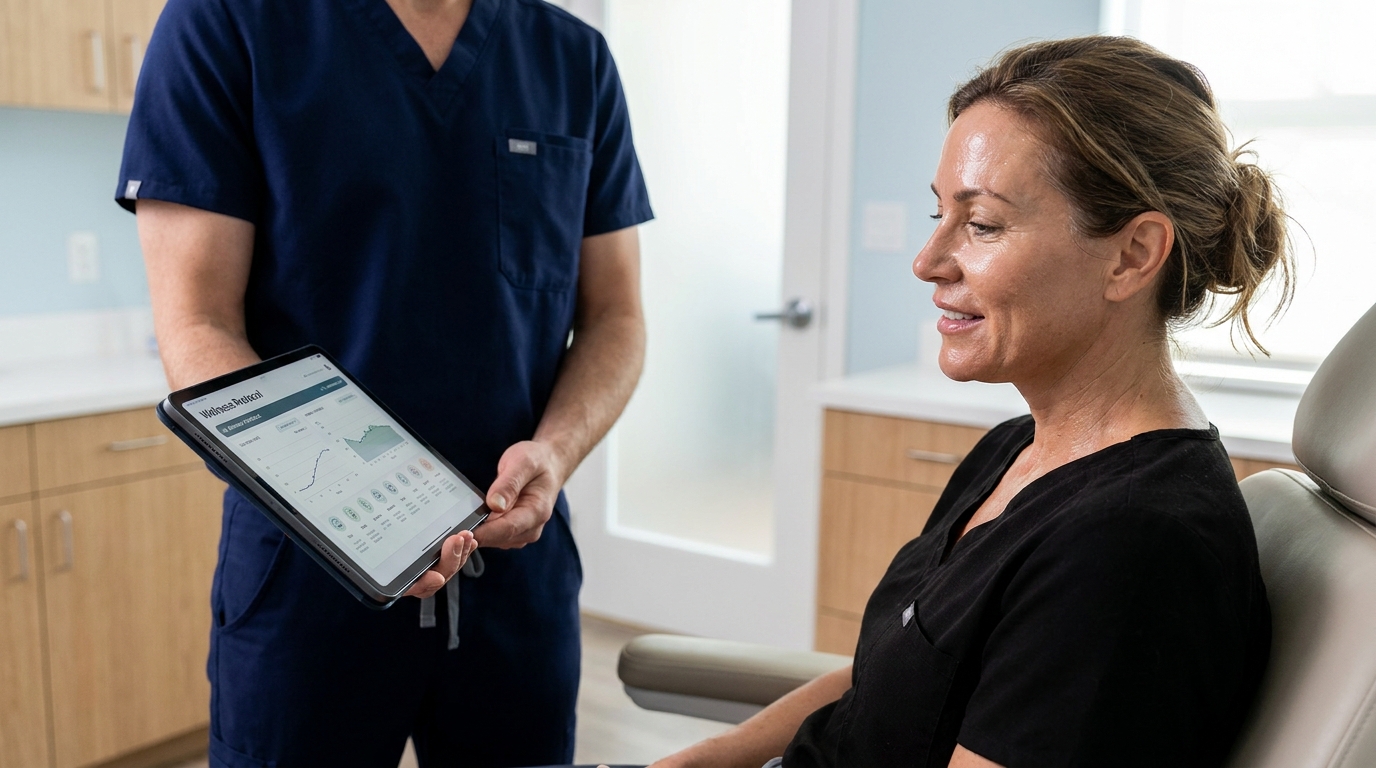
- Physician review — Dr. Naito reviews your results and designs a personalized protocol with a full explanation of each compound, delivery method, and expected timeline.
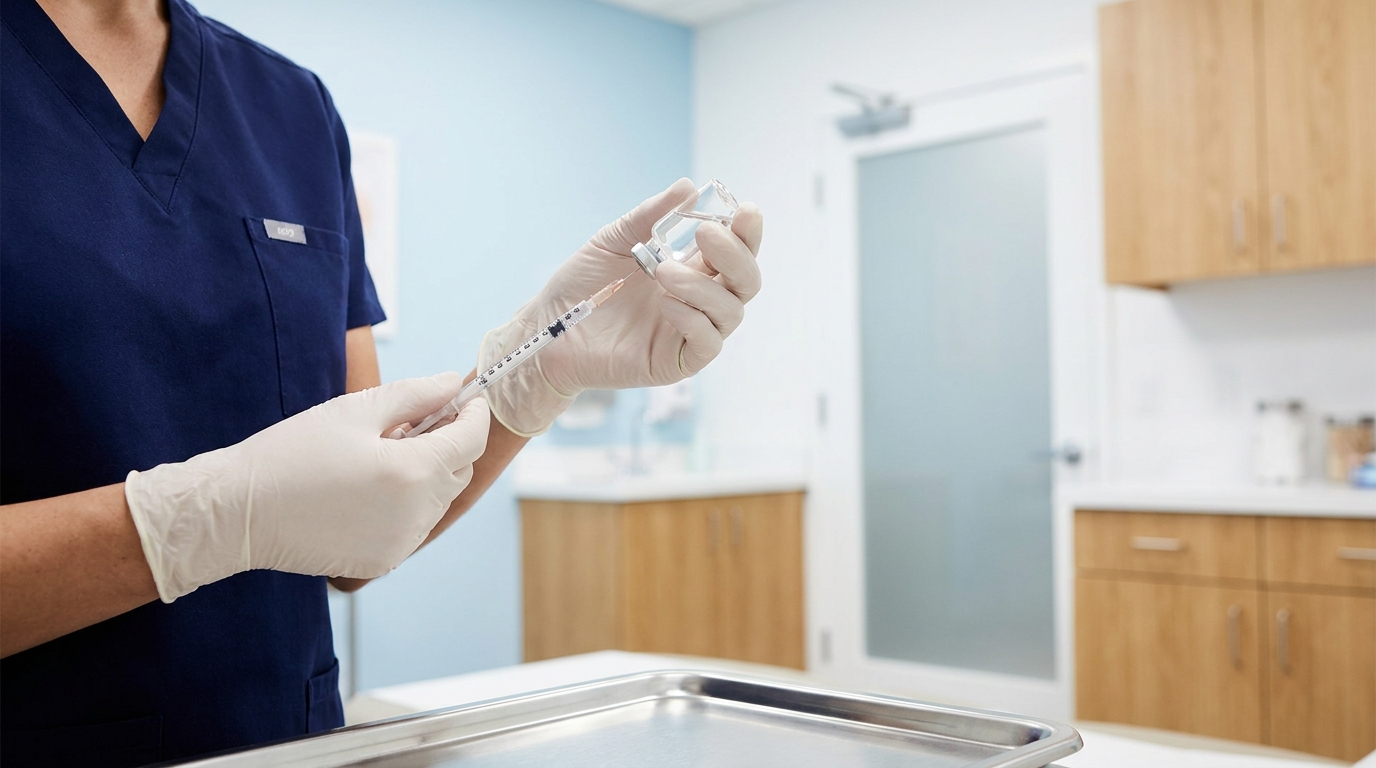
- Protocol delivery — Peptides are prescribed through a licensed compounding pharmacy, delivered to your home or our clinic. We train you on self-administration for injectable protocols.
- Follow-up monitoring — Repeat labs at 60–90 days. Ongoing quarterly check-ins included.
Why Physician Supervision Matters
There are platforms that will ship peptides to your door after a 5-minute questionnaire. We don’t recommend that approach. Peptide dosing depends on your individual biology — the standard dose for CJC-1295 that works well for one patient may produce unwanted side effects in another. Without baseline labs and ongoing physician oversight, you’re guessing with injectable compounds.
At BHRC West Hollywood, every peptide program starts with bloodwork and ends with follow-up monitoring. You have a named physician overseeing your care — not an algorithm approving a checkout.
Cost of Peptide Therapy in West Hollywood
| Component | Estimated Cost |
|---|---|
| Initial consultation | Free |
| Lab panel | $150–$350 |
| Physician review + protocol design | Included with lab panel |
| Monthly peptide cost | $200–$600/month |
| Follow-up monitoring | Included in program |
GLP-1 weight loss programs (semaglutide/tirzepatide) are priced separately. See our Best Peptides for Weight Loss guide for a full breakdown.
Frequently Asked Questions
Are the peptides you use legal?
Yes. Every peptide we prescribe is dispensed through a licensed compounding pharmacy, prescribed by a licensed physician, and intended for a specific medical or wellness purpose — not over-the-counter supplements.
How long does it take to see results?
GLP-1 peptides typically show appetite suppression within 1–2 weeks. BPC-157 for tissue repair may take 4–8 weeks. Growth hormone secretagogues often require 60–90 days to show changes in body composition and sleep quality.
Do I need to inject them?
Not all peptides require injection. Some are available in oral or nasal spray form. However, injectable peptides generally have higher bioavailability. We train all patients on self-administration — most find it much easier than expected.
Can I combine peptide therapy with other treatments?
Yes. Many West Hollywood patients combine peptide therapy with hormone replacement therapy, Exion RF Microneedling, or EMSculpt NEO. Your physician will advise on appropriate combinations for your health profile.
Peptide Therapy for Weight Loss in West Hollywood
Weight management is the most common reason West Hollywood patients seek out peptide therapy at BHRC. The surge in demand for GLP-1 agonists (semaglutide and tirzepatide) has put peptide therapy into mainstream conversation — but many patients arrive without a clear picture of how GLP-1s compare to other peptides, or what a supervised program actually looks like.
GLP-1 receptor agonists work by mimicking the glucagon-like peptide-1 hormone, which regulates appetite, slows gastric emptying, and improves insulin sensitivity. Clinical trials show average weight reduction of 15–22% of body weight over 68 weeks — significantly beyond what diet and exercise alone typically produce for most patients. 1
What separates a BHRC GLP-1 program from a telehealth subscription:
- Titration oversight — GLP-1 side effects (nausea, fatigue, GI changes) are highly dose-dependent. We titrate slowly, adjust based on your response, and don’t rush to the maintenance dose just to stay on schedule.
- Combination protocols — Many BHRC weight loss patients pair GLP-1 therapy with EMSculpt NEO to preserve muscle mass during rapid fat loss. Your physician will discuss whether this combination makes sense for your goals.
- Metabolic monitoring — We track insulin resistance markers, lipid panels, and liver enzymes — not just weight — because meaningful metabolic improvement is the goal, not just a lower number on the scale.
For a full comparison of the two most common weight loss peptides, see: Semaglutide vs. Tirzepatide: Which Is Right for You?
Peptide Therapy for Recovery and Performance
West Hollywood has a high concentration of fitness professionals, athletes, and active patients in their 30s–50s who use peptides primarily for recovery and performance — not weight loss. BPC-157 and growth hormone secretagogues are the most requested protocols in this category.
BPC-157 (Body Protective Compound 157) is a synthetic peptide derived from a protective protein found in gastric juice. Research has shown it to accelerate tendon, ligament, and muscle repair, reduce inflammation, and support gut integrity. It’s commonly used by BHRC patients post-surgery, post-injury, or during periods of intensive training. Full evidence review: BPC-157 Benefits: What the Research Actually Says.
CJC-1295 paired with Ipamorelin is BHRC’s most commonly prescribed growth hormone secretagogue stack. Unlike synthetic HGH (which is controlled and suppresses natural GH production), this peptide combination stimulates your pituitary to release more of your own growth hormone — preserving the natural pulsatile release pattern. Patients typically report improved sleep quality within 2–3 weeks, with body composition changes emerging at 60–90 days.
More Frequently Asked Questions
Can I do peptide therapy while on other medications?
Many patients on standard medications tolerate peptide therapy without interaction issues. However, some peptides can affect insulin sensitivity (particularly GLP-1 agonists, which may require adjustments to diabetes medications) or inflammatory pathways. Your BHRC physician will review your complete medication list before recommending any protocol and coordinate with your primary care provider as needed.
Is peptide therapy appropriate if I’m post-menopausal?
Yes. Post-menopausal women are among our most common peptide therapy patients, often combining peptide therapy with hormone replacement therapy for comprehensive optimization. Growth hormone naturally declines with age and estrogen loss — GH secretagogue peptides can help restore some of that capacity. Many patients find the combination of HRT + peptide therapy produces significantly better results than either protocol alone.
What happens if I stop peptide therapy?
Peptides don’t create dependency, but stopping will gradually reverse the benefits. GLP-1 weight loss peptides require continued use to maintain appetite regulation — most patients who stop regain weight over 6–12 months. Growth hormone peptides produce results that persist somewhat after stopping (particularly body composition improvements), but levels do decline. Your physician will discuss realistic expectations and long-term strategy during your consultation.
1 Wilding JPH, et al. Once-Weekly Semaglutide in Adults with Overweight or Obesity. N Engl J Med. 2021;384(11):989–1002.
READ NEXT
Ready to Start?
Get Your Personalized Peptide Protocol
BHRC offers physician-supervised peptide programs at our West Hollywood and West Los Angeles clinics. Free consultation — no commitment required.