BHRC BLOG
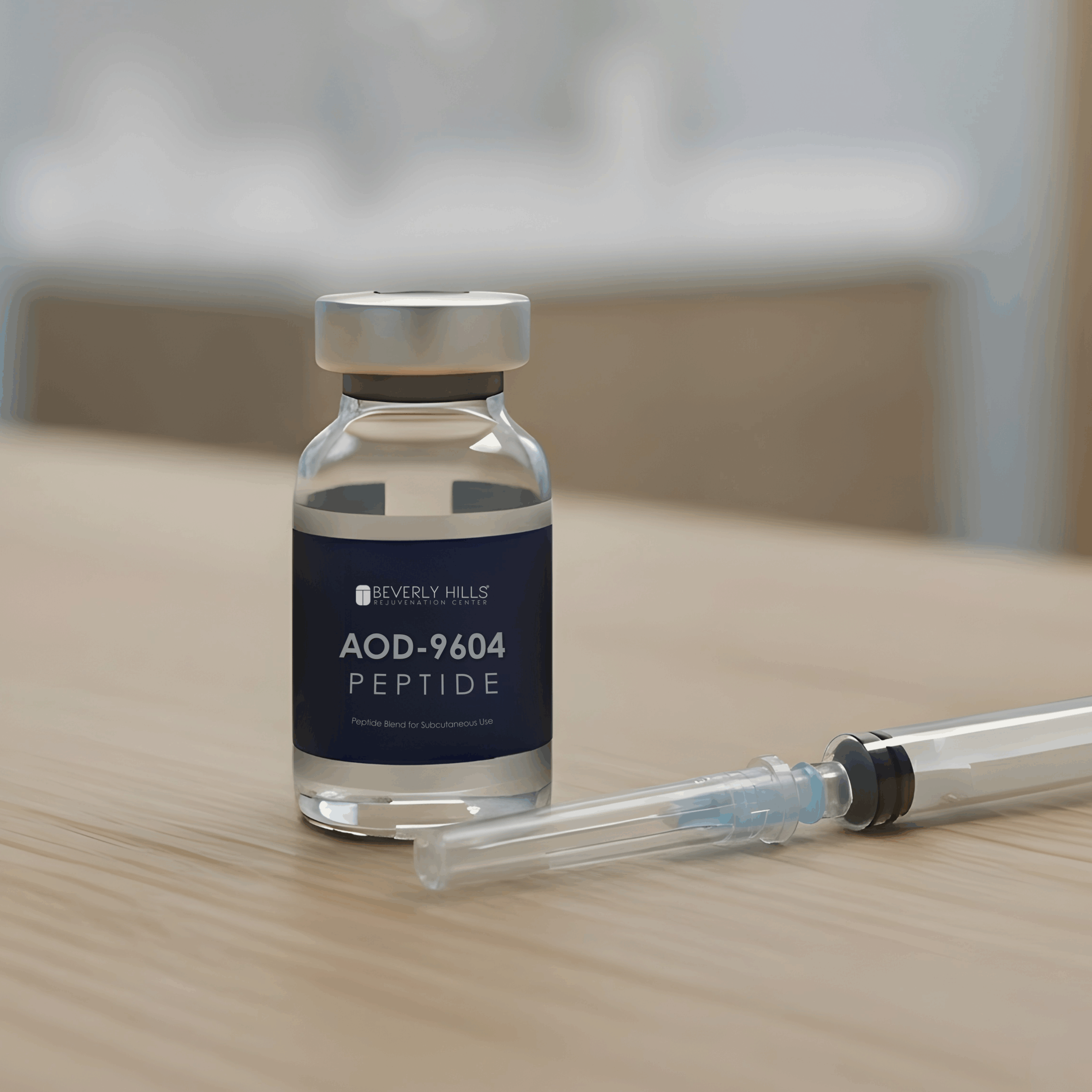
AOD-9604 Dosage Guide: Complete Protocol for Safe Administration
Understanding proper dosing protocols is essential when considering AOD-9604 peptide therapy for metabolic support and body composition optimization. This comprehensive dosage guide examines the research-backed protocols, administration methods, timing strategies, and safety considerations based on clinical studies involving over 900 participants.
AOD-9604 is a synthetic 16-amino acid peptide fragment derived from the C-terminal region of human growth hormone (amino acids 176-191). Unlike full-length growth hormone, AOD-9604 selectively targets fat metabolism through beta-3 adrenergic receptor pathways without affecting insulin sensitivity or IGF-1 levels. Multiple clinical trials have established dosing ranges and administration protocols that optimize metabolic benefits while maintaining excellent safety profiles.
This guide provides detailed information on standard dosing protocols, reconstitution procedures, injection techniques, optimal timing, cycle recommendations, and monitoring strategies to help you work effectively with your healthcare provider. Whether you’re new to peptide therapy or optimizing your current protocol, understanding evidence-based dosing is critical for achieving your metabolic health goals safely and effectively.
Important Disclaimer: AOD-9604 is sold for research purposes only and is not FDA-approved for human use. This article is for educational purposes only and does not constitute medical advice. All peptide therapy requires physician supervision and comprehensive health assessment.
Quick AOD-9604 Dosing Summary
AOD-9604 is a growth hormone fragment peptide administered via subcutaneous injection, typically dosed at 250-500 mcg daily in a fasted state. Here’s what you need to know:
- Standard Dose: 250-500 mcg (0.25-0.5 mg) once daily via subcutaneous injection
- Clinical Range: Research protocols tested 250 mcg to 1 mg daily with no additional benefit above 1 mg
- Timing: Morning administration in completely fasted state for optimal lipolytic effect
- Administration: Subcutaneous injection into abdominal fat region
- Cycle Length: Typically 12-24 weeks based on metabolic goals and physician guidance
- Reconstitution: Mixed with bacteriostatic water; refrigerated storage required
- Safety Profile: Well-tolerated in 900+ participants with minimal adverse effects
- Important: Sold for research purposes only; requires medical supervision
The following guide provides comprehensive details on dosing calculations, administration technique, timing optimization, and safety protocols.
What is AOD-9604?
AOD-9604 (Anti-Obesity Drug 9604) is a modified peptide fragment consisting of the terminal 15 amino acids of human growth hormone (positions 176-191) with a tyrosine residue added at the N-terminus for stability. Originally developed by Metabolic Pharmaceuticals in Australia during the 1990s, this synthetic peptide was designed to harness growth hormone’s fat-mobilizing properties while avoiding the metabolic complications associated with full-length GH therapy.
The peptide works by selectively activating lipolysis (fat breakdown) in adipose tissue while inhibiting lipogenesis (fat storage). Research demonstrates that AOD-9604 upregulates beta-3 adrenergic receptors in fat cells, promoting energy expenditure and fat oxidation through mechanisms distinct from traditional stimulants or full growth hormone.
Critically, AOD-9604 does not elevate IGF-1 levels or impair glucose metabolism, distinguishing it from full-length GH. Clinical studies confirm that “chronic treatment with AOD9604 showed no adverse effect on insulin sensitivity,” making it a metabolically selective approach to body composition optimization under medical supervision.
Important Context: AOD-9604 completed six randomized, double-blind, placebo-controlled trials involving over 900 participants. However, development was discontinued in 2007 after the largest Phase IIb trial failed to demonstrate statistically significant weight loss compared to placebo. The peptide is currently sold for research purposes only and lacks FDA approval for human therapeutic use. All protocols discussed require physician oversight and informed consent.
AOD-9604 Dosing Protocols Based on Clinical Research
Dosing recommendations for AOD-9604 are based on extensive human research including six clinical trials that evaluated various administration routes, doses, and treatment durations. Understanding these research-backed protocols helps inform safe, effective therapeutic approaches under medical supervision.
Standard Dosing Ranges
The most extensively studied dosing protocols for subcutaneous administration include:
Research-Based Dosing Protocols
Beginner/Conservative Protocol:
- Dose: 250-300 mcg once daily
- Duration: 4-8 weeks initial assessment period
- Rationale: Allows tolerance assessment and response evaluation at lower end of therapeutic range
Standard Protocol:
- Dose: 300-500 mcg once daily
- Duration: 12-24 weeks based on clinical trials
- Rationale: Most commonly studied range in human research with optimal benefit-to-safety ratio
Advanced Protocol:
- Dose: 500 mcg-1 mg once daily
- Duration: 12-24 weeks under close medical monitoring
- Rationale: Upper clinical range; research shows no additional benefit above 1 mg daily
Important: Doses above 1 mg (1,000 mcg) daily showed no additional metabolic benefits in clinical research. Higher doses may increase gastrointestinal side effects without improving outcomes. Individual protocols must be personalized based on body composition, metabolic status, and physician assessment.
Clinical Trial Dosing Data
AOD-9604 has been evaluated across multiple administration routes and dosing regimens. A comprehensive safety and tolerability study evaluated approximately 900 participants across six trials with the following protocols:
Subcutaneous/Intravenous Protocols: Single doses ranging from 25 to 400 mcg/kg body weight were tested. For a 70 kg individual, this translates to approximately 1.75-28 mg per dose, though standard therapeutic protocols use significantly lower daily doses.
Oral Protocols: Daily oral doses of 1, 5, 10, 20, and 30 mg were evaluated over 12 weeks. While oral bioavailability is lower than subcutaneous administration, these studies established that even high oral doses maintained excellent safety profiles, though higher doses (54 mg) were associated with increased gastrointestinal discomfort.
Long-Term Protocols: The most clinically relevant studies evaluated subcutaneous doses of 0.25 mg (250 mcg), 0.5 mg (500 mcg), and 1 mg (1,000 mcg) administered daily for 24 weeks. These protocols form the foundation for current therapeutic dosing recommendations.
How to Reconstitute AOD-9604
Proper reconstitution is essential for maintaining peptide stability and ensuring accurate dosing. AOD-9604 typically arrives as lyophilized (freeze-dried) powder in sealed vials requiring reconstitution with bacteriostatic water before injection.
Reconstitution Supplies Needed
- AOD-9604 lyophilized powder (typically 2 mg or 5 mg vials)
- Bacteriostatic water (sterile water with 0.9% benzyl alcohol preservative)
- Insulin syringes (typically 0.3 mL or 0.5 mL with 29-31 gauge needles)
- Alcohol prep pads
- Sharps disposal container
Step-by-Step Reconstitution Protocol
Step 1: Prepare Your Workspace
Wash hands thoroughly with soap and water. Prepare a clean, well-lit workspace with all supplies within reach. Remove peptide vial and bacteriostatic water from refrigerator and allow to reach room temperature (10-15 minutes).
Step 2: Calculate Required Bacteriostatic Water
Standard reconstitution uses 2 mL of bacteriostatic water per 5 mg vial, resulting in a concentration of 2.5 mg/mL (2,500 mcg/mL). For easier dosing calculations, many practitioners use:
- 2 mg vial + 2 mL bacteriostatic water = 1 mg/mL (1,000 mcg/mL)
- 5 mg vial + 2 mL bacteriostatic water = 2.5 mg/mL (2,500 mcg/mL)
Step 3: Draw Bacteriostatic Water
Clean the rubber stopper of the bacteriostatic water vial with an alcohol prep pad. Using an insulin syringe, draw the calculated volume of bacteriostatic water (typically 2 mL).
Step 4: Add Water to Peptide Vial
Clean the rubber stopper of the AOD-9604 vial with an alcohol prep pad. Insert the needle at a slight angle and slowly inject the bacteriostatic water down the inside wall of the vial, NOT directly onto the powder. This gentle reconstitution prevents peptide degradation.
Step 5: Allow Dissolution
After adding all bacteriostatic water, gently swirl (do NOT shake) the vial until the powder completely dissolves. The solution should be clear and colorless. If cloudiness persists, allow vial to rest for 5-10 minutes and gently swirl again. Never shake vigorously, as this can damage the peptide structure.
Step 6: Storage
Once reconstituted, immediately return the vial to refrigerator storage (2-8°C / 36-46°F). Reconstituted AOD-9604 typically remains stable for 30-45 days when refrigerated. Do not freeze. Protect from direct light.
Dosing Calculation Examples
If you reconstituted a 5 mg vial with 2 mL bacteriostatic water, your concentration is 2,500 mcg/mL:
- For 250 mcg dose: Draw 0.10 mL (10 units on insulin syringe)
- For 300 mcg dose: Draw 0.12 mL (12 units on insulin syringe)
- For 500 mcg dose: Draw 0.20 mL (20 units on insulin syringe)
AOD-9604 Administration Guide
Proper subcutaneous injection technique ensures optimal absorption, minimizes discomfort, and reduces risk of injection site reactions. AOD-9604 is administered via subcutaneous (SubQ) injection into fatty tissue, typically in the abdominal region.
Injection Site Selection
The most common and effective injection sites for AOD-9604 include:
Abdominal Region (Preferred): Inject into fatty tissue at least 2 inches away from the navel, avoiding the midline. The lower abdomen provides consistent absorption and easy self-administration access. Some practitioners theorize that local administration to abdominal fat may enhance regional lipolytic effects, though this has not been conclusively proven.
Alternate Sites: If rotating injection sites to prevent lipohypertrophy (tissue buildup), you may also use the outer thigh or upper arm fatty tissue. However, absorption rates may vary slightly between sites.
Site Rotation: Rotate injection sites within the abdominal region to prevent tissue changes. Move at least 1 inch from previous injection sites and use a systematic rotation pattern.
Subcutaneous Injection Technique
Step 1: Prepare the Dose
Remove reconstituted AOD-9604 from refrigerator. Clean the rubber stopper with an alcohol prep pad. Draw your calculated dose into an insulin syringe, ensuring no air bubbles (gently tap syringe and push plunger to expel air).
Step 2: Prepare Injection Site
Clean the selected injection site with an alcohol prep pad using a circular motion from center outward. Allow skin to air dry completely (alcohol must evaporate to prevent stinging).
Step 3: Pinch and Inject
Pinch a fold of skin between thumb and forefinger to lift fatty tissue away from muscle. Insert the needle at a 45-90 degree angle (depending on body composition) with a quick, dart-like motion. Release the pinched skin.
Step 4: Inject the Peptide
Slowly press the plunger to inject the solution over 3-5 seconds. Pause for 2-3 seconds after full depression to prevent solution from leaking back out.
Step 5: Remove and Dispose
Withdraw the needle at the same angle of insertion. Apply gentle pressure with a clean alcohol pad if any bleeding occurs (typically minimal to none). Immediately dispose of the used syringe in an approved sharps container.
Optimal Timing for AOD-9604 Administration
Timing of AOD-9604 administration significantly impacts lipolytic efficacy. Research and clinical practice have established that fasted-state administration maximizes fat-mobilizing effects by optimizing the peptide’s metabolic signaling.
Why Fasted Administration Matters
AOD-9604 stimulates lipolysis through beta-3 adrenergic receptor activation, promoting the release of stored fatty acids for energy utilization. However, insulin elevation from food intake activates opposing lipogenic (fat-storing) pathways that can blunt the peptide’s fat-mobilizing effects.
When you eat, insulin levels rise to facilitate nutrient storage. Elevated insulin inhibits hormone-sensitive lipase, the enzyme responsible for breaking down stored triglycerides. This creates a metabolic environment that opposes AOD-9604’s lipolytic mechanisms. By administering the peptide during a fasted state when insulin is low, you maximize the peptide’s ability to stimulate fat breakdown without metabolic interference.
Recommended Timing Protocols
Morning Fasted Protocol (Most Common):
- Timing: Upon waking, before any food or caloric beverages
- Fasting Window: At least 8-10 hours fasted from overnight sleep
- Post-Injection: Wait 30-60 minutes before eating breakfast
- Activity: Light fasted cardio or morning routine before first meal may enhance fat mobilization
- Advantages: Convenient, consistent daily routine, maximizes overnight fasted state
Pre-Exercise Protocol:
- Timing: 30-45 minutes before fasted cardio or training session
- Fasting Window: At least 4-6 hours since last meal
- Rationale: Exercise during fasted state with elevated free fatty acids may enhance fat oxidation
- Considerations: Not suitable for high-intensity training; best for moderate-intensity steady-state cardio
Evening Fasted Protocol (Alternative):
- Timing: At least 4-6 hours after last meal, before bed
- Advantages: Leverages overnight fasted period for lipolysis
- Considerations: Less commonly used; some individuals report sleep disturbances
Foods and Substances to Avoid Around Dosing
To optimize AOD-9604’s effectiveness, avoid the following in the hour before and 30-60 minutes after administration:
- All foods (proteins, carbohydrates, fats trigger insulin response)
- Caloric beverages including juice, milk, sports drinks, protein shakes
- Artificial sweeteners (may trigger minor insulin response in some individuals)
- Coffee with cream or sugar (black coffee or tea without additives is acceptable)
Acceptable During Dosing Window: Water, black coffee, unsweetened tea, electrolyte water (zero-calorie), and medications as prescribed.
AOD-9604 Cycle Length and Protocol Duration
Determining optimal cycle length depends on metabolic goals, baseline body composition, response to therapy, and physician assessment. Clinical research provides guidance on safe, effective treatment durations.
Research-Based Cycle Protocols
Short-Term Assessment (4-8 Weeks):
An initial 4-8 week cycle allows evaluation of individual response, tolerance assessment, and metabolic changes without extended commitment. This protocol is ideal for first-time users or those assessing whether AOD-9604 aligns with their body composition goals. Physicians typically evaluate body composition changes, any side effects, and metabolic markers before continuing or adjusting protocols.
Standard Therapeutic Cycle (12 Weeks):
Clinical trials frequently employed 12-week protocols, which provide sufficient duration for measurable metabolic changes while establishing safety through comprehensive monitoring. This duration balances therapeutic benefits with manageable treatment commitment and cost considerations.
Extended Protocol (24 Weeks):
The longest clinical trial evaluated 24-week daily administration with doses of 0.25 mg, 0.5 mg, and 1 mg. Extended protocols may be appropriate for individuals with significant body composition goals, those who respond gradually to therapy, or patients seeking comprehensive metabolic optimization under close medical supervision.
Cycling vs. Continuous Use
There is limited research on optimal cycling strategies (periods of use followed by breaks) versus continuous use. Current approaches include:
Continuous Use Approach: Based on clinical trials that used continuous daily administration for 12-24 weeks without scheduled breaks. This approach maintains consistent peptide signaling and metabolic effects throughout the treatment period.
Cycling Approach: Some practitioners implement protocols such as 12 weeks on, 4-8 weeks off to theoretically prevent receptor desensitization, reduce long-term costs, or provide physiological breaks. However, no published research directly compares continuous versus cycled protocols.
Response-Based Approach: Treatment duration is individualized based on objective measurements including body composition analysis (DEXA scan, bioimpedance), waist circumference, metabolic markers, and subjective response. Therapy continues as long as positive changes occur and is adjusted or discontinued if plateaus develop or goals are achieved.
Monitoring During Extended Cycles
For cycles extending beyond 12 weeks, comprehensive monitoring should include:
- Body composition assessment (baseline, 6 weeks, 12 weeks, end of cycle)
- Metabolic markers (fasting glucose, insulin, lipid panel every 8-12 weeks)
- Thyroid function (TSH, free T3, free T4 if indicated)
- Clinical evaluation of energy, sleep, recovery, and overall well-being
- Side effect monitoring and dose adjustments as needed
- IGF-1 levels (should remain unchanged; elevation suggests contamination or mislabeled product)
Clinical Research Findings
A comprehensive safety and tolerability analysis evaluated approximately 900 participants across six randomized, double-blind, placebo-controlled trials conducted between 2001-2006. The studies tested various doses including 0.25 mg, 0.5 mg, and 1 mg daily via subcutaneous administration over periods ranging from single doses to 24 weeks of continuous therapy.
Results demonstrated that AOD-9604 “displayed a very good safety and tolerability profile indistinguishable from placebo.” Critically, the peptide produced no clinically significant alterations in IGF-1 levels, no glucose intolerance or insulin resistance, and no anti-AOD9604 antibodies in any participant. The most common adverse events were mild-to-moderate headaches, similar in frequency to placebo groups.
However, the largest Phase IIb trial involving 536 participants failed to demonstrate statistically significant weight loss compared to placebo at the primary 12-week endpoint, leading to development termination in 2007. While safety was established, efficacy for weight loss did not meet clinical trial success criteria. Current use is limited to research purposes under physician supervision.
AOD-9604 Safety Profile and Potential Side Effects
Safety data from over 900 clinical trial participants provides comprehensive information about AOD-9604’s tolerability, side effect profile, and important contraindications. Understanding potential adverse effects enables informed decision-making and appropriate medical monitoring.
Established Safety Profile
Across all clinical studies, AOD-9604 demonstrated excellent safety and tolerability. The peptide did not produce adverse metabolic effects associated with full-length growth hormone, including insulin resistance, glucose intolerance, or IGF-1 elevation. No participants developed antibodies against AOD-9604, and no treatment-related serious adverse events led to study withdrawal.
Common Side Effects
When side effects occurred, they were typically mild, transient, and similar in frequency to placebo groups:
Reported Adverse Effects
Most Common (occurring in small percentage of participants):
- Mild to moderate headaches (most frequently reported, often resolving with continued use)
- Injection site reactions (minor redness, swelling, or irritation at injection site)
- Gastrointestinal effects (particularly at higher oral doses: mild nausea, diarrhea, flatulence)
- Fatigue (reported occasionally during initial adaptation period)
Rare Events: One case of chest tightness was deemed possibly related to treatment in safety trials. At very high oral doses (54 mg), gastrointestinal side effects increased significantly.
No Observed Effects On:
- Blood glucose or insulin sensitivity (no diabetogenic effects)
- IGF-1 levels (remained within normal ranges)
- Blood pressure or cardiovascular parameters
- Thyroid function
- Liver or kidney function markers
Important: The absence of growth hormone-related side effects distinguishes AOD-9604 from full-length GH, which can cause fluid retention, joint pain, carpal tunnel syndrome, and insulin resistance.
Contraindications and Precautions
Do NOT use AOD-9604 if you:
- Are pregnant, trying to conceive, or breastfeeding (no safety data in pregnancy/lactation)
- Have active cancer or history of malignancy (peptide effects on existing cancer unknown)
- Are under 18 years of age (pediatric safety not established)
- Have known hypersensitivity to peptides or benzyl alcohol (in bacteriostatic water)
- Have severe kidney or liver disease without physician clearance
Use with caution and enhanced monitoring if you have:
- Diabetes or glucose metabolism disorders (monitor blood sugar closely despite no expected impact)
- Cardiovascular disease (comprehensive cardiac evaluation recommended)
- Thyroid disorders (monitor thyroid function during therapy)
- History of migraines (may increase headache frequency in susceptible individuals)
Drug Interactions
Limited formal drug interaction studies exist for AOD-9604. Theoretical considerations include:
Potential interactions requiring monitoring: Other fat-loss agents or thermogenics (additive effects), growth hormone or growth hormone secretagogues (mechanism overlap), medications affecting glucose metabolism (monitor blood sugar despite AOD-9604’s neutral glycemic effects).
Disclose to your physician: All prescription medications, over-the-counter supplements, weight loss products, stimulants, thyroid medications, and any other peptides or hormones before starting AOD-9604 therapy.
Combining AOD-9604 with Other Peptides and Therapies
Many patients inquire about stacking AOD-9604 with complementary peptides or therapies to optimize metabolic results. While limited formal research exists on combination protocols, clinical experience and mechanistic understanding provide guidance on potentially synergistic approaches.
Commonly Combined Peptides
CJC-1295/Ipamorelin: This growth hormone secretagogue combination promotes natural GH release, potentially supporting muscle preservation during fat loss. The mechanisms are complementary—AOD-9604 targets fat mobilization while CJC/Ipamorelin supports recovery, sleep quality, and lean mass retention. Many practitioners combine these protocols for comprehensive body composition optimization.
Semaglutide or Tirzepatide: GLP-1 receptor agonists work through entirely different mechanisms (appetite suppression, glucose regulation, delayed gastric emptying) compared to AOD-9604’s direct lipolytic effects. Some physicians combine these approaches for patients who benefit from both appetite control and enhanced fat metabolism, though close medical monitoring is essential.
Tesamorelin: Another growth hormone-releasing hormone analog studied specifically for visceral fat reduction. Combining with AOD-9604 provides dual pathway activation—growth hormone release via tesamorelin plus direct lipolytic action from AOD-9604—though this requires careful physician oversight.
Supportive Therapies
To maximize AOD-9604’s metabolic benefits, consider integrating:
Structured nutrition protocols: Moderate caloric deficit (15-20% below maintenance), adequate protein intake (0.8-1.2 g/lb body weight) to preserve lean mass, strategic carbohydrate timing around training, and whole-food focused diet to support overall metabolic health.
Exercise programming: Resistance training 3-5x weekly to maintain muscle mass during fat loss, moderate-intensity cardiovascular activity to enhance fat oxidation, and potentially fasted morning cardio to leverage elevated free fatty acids from AOD-9604 administration.
Sleep optimization: Consistent 7-9 hours nightly to support GH pulsatility, metabolic function, and recovery. Poor sleep undermines peptide therapy effectiveness.
Stress management: Chronic cortisol elevation opposes fat loss and promotes visceral fat accumulation. Meditation, adequate recovery, and stress reduction support metabolic optimization.
Who Should Consider AOD-9604 Therapy?
AOD-9604 may be appropriate for individuals seeking research-based approaches to body composition optimization under physician supervision. Ideal candidates typically include:
Body composition goals: Individuals focused on reducing body fat percentage while preserving lean muscle mass, those who have reached plateaus with diet and exercise alone, patients seeking metabolically selective approaches without growth hormone’s broader effects, or individuals interested in targeted fat reduction (particularly abdominal/visceral fat).
Health status considerations: Generally healthy adults with physician clearance, individuals without contraindications (pregnancy, active malignancy, severe organ disease), those willing to commit to proper administration protocols and monitoring, and patients who understand the research-purposes-only status and informed consent requirements.
Realistic expectations: Successful candidates understand that AOD-9604 is an adjunct to comprehensive lifestyle modification, not a standalone solution. They recognize that clinical trials showed modest effects (average 2.6 kg over 12 weeks in responders), appreciate that individual response varies significantly, commit to proper nutrition and exercise foundations, and accept that the peptide is used for research purposes under medical supervision.
Medical supervision requirement: All AOD-9604 therapy requires comprehensive physician oversight including baseline health assessment and laboratory work, informed consent regarding research-purposes-only status, regular monitoring of body composition and metabolic markers, dose adjustments based on individual response, and integration with comprehensive health optimization strategies.
Monitoring Progress and Adjusting Protocols
Objective assessment of AOD-9604’s effects requires proper measurement tools and regular evaluation. Subjective feelings alone are insufficient—use quantifiable metrics to guide protocol adjustments.
Recommended Assessment Tools
Body Composition Analysis (Gold Standard): DEXA (Dual-Energy X-ray Absorptiometry) scanning provides precise body fat percentage, lean mass, and visceral fat measurements. Baseline scan before starting, follow-up at 6-8 weeks, and final assessment at protocol completion enable accurate fat loss quantification.
Circumference Measurements: Weekly measurements of waist, hips, thighs, and arms using consistent technique (same time of day, same measurement points) track regional changes that correlate with fat loss.
Scale Weight: While less informative than body composition, weekly weigh-ins (same day/time, fasted) establish trends. Remember that simultaneous muscle gain can mask fat loss on the scale.
Progress Photos: Standardized photos (same lighting, angles, clothing) every 2-4 weeks document visual changes that measurements may miss.
Metabolic Markers: Fasting glucose, insulin, lipid panel, and thyroid function (baseline and every 8-12 weeks) ensure metabolic health throughout therapy.
When to Adjust Dosing
Increase dose if: After 4-6 weeks at current dose, no measurable body composition changes occur, you’re tolerating current dose without side effects, you’re below the upper clinical range (1 mg daily), and your physician approves escalation based on comprehensive assessment.
Decrease dose if: Experiencing consistent side effects (headaches, fatigue, GI disturbance), achieving satisfactory results at current dose with no need for escalation, or cost considerations favor using minimum effective dose.
Discontinue if: Significant adverse reactions occur, you achieve body composition goals, no response after 8-12 weeks at optimal dosing, medical contraindications develop, or pregnancy occurs.
Conclusion: Using AOD-9604 Safely and Effectively
AOD-9604 represents a metabolically selective approach to fat mobilization with established safety in clinical trials involving over 900 participants. Proper dosing protocols—typically 250-500 mcg daily via subcutaneous injection in a fasted state—provide the foundation for optimal results while minimizing side effects.
Success with AOD-9604 therapy requires comprehensive physician supervision, accurate dosing and reconstitution techniques, strategic timing to maximize lipolytic effects, objective monitoring of body composition changes, and integration with proper nutrition and exercise foundations. Remember that clinical trials failed to demonstrate statistically significant weight loss in the largest study, leading to development termination in 2007.
AOD-9604 is sold for research purposes only and is not FDA-approved for human therapeutic use. All protocols require informed consent, medical oversight, and realistic expectations about potential outcomes. When used appropriately under physician guidance as part of comprehensive metabolic optimization strategies, AOD-9604 may provide a research-based tool for individuals committed to evidence-informed approaches to body composition improvement.
If you’re considering AOD-9604 therapy, schedule a consultation with our medical team to discuss your health history, body composition goals, and whether this research peptide aligns with your metabolic optimization objectives under proper medical supervision.
Frequently Asked Questions About AOD-9604 Dosing
What is the optimal AOD-9604 dose for fat loss?
Clinical research established that the most commonly effective range is 250-500 mcg (0.25-0.5 mg) administered once daily via subcutaneous injection. Studies testing doses up to 1 mg daily found no additional benefits above this threshold. Most practitioners recommend starting at 250-300 mcg daily to assess tolerance, then potentially increasing to 400-500 mcg if initial response is suboptimal and no side effects occur.
Individual dosing should be personalized based on body weight, baseline body composition, metabolic status, response to therapy, and physician assessment. Higher doses do not necessarily produce better results and may increase the risk of side effects like headaches or gastrointestinal discomfort without improving fat loss outcomes.
How do I reconstitute AOD-9604 powder?
Reconstitution requires bacteriostatic water and proper sterile technique. For a standard 5 mg vial, add 2 mL of bacteriostatic water slowly down the inside wall of the vial (not directly onto the powder) to prevent peptide degradation. Gently swirl—never shake—until the powder fully dissolves into a clear, colorless solution. This creates a concentration of 2,500 mcg/mL (2.5 mg/mL).
Once reconstituted, immediately refrigerate the vial at 2-8°C (36-46°F). The peptide typically remains stable for 30-45 days when refrigerated. Draw your calculated dose using an insulin syringe (for example, 0.20 mL equals 500 mcg at this concentration). Always clean the rubber stopper with an alcohol prep pad before each use and dispose of syringes properly in a sharps container.
When is the best time to inject AOD-9604?
The optimal time for AOD-9604 administration is in a completely fasted state, typically first thing in the morning upon waking after an overnight fast of 8-10 hours. Fasted administration is critical because the peptide works by stimulating lipolysis (fat breakdown) through beta-3 adrenergic receptor activation. When you eat, insulin levels rise and activate fat-storage pathways that directly oppose AOD-9604’s fat-mobilizing effects.
After injection, wait 30-60 minutes before consuming any food or caloric beverages to allow the peptide to initiate lipolytic signaling without metabolic interference. Many practitioners recommend light fasted cardio or normal morning activities during this window to enhance fat oxidation. Black coffee or tea without additives is acceptable. This timing protocol maximizes the peptide’s effectiveness by leveraging the low-insulin fasted state for optimal fat mobilization.
How long should I use AOD-9604?
Clinical trials evaluated AOD-9604 for durations ranging from single doses to 24 weeks of continuous daily administration. Most therapeutic protocols use 12-24 week cycles based on research protocols and individual goals. An initial 4-8 week assessment period allows evaluation of individual response and tolerance before committing to extended therapy.
The decision to continue, adjust, or discontinue therapy should be based on objective body composition measurements (DEXA scans, circumference measurements), achievement of fat loss goals, tolerance and side effect profile, and physician assessment of metabolic markers. Some practitioners implement cycling approaches (such as 12 weeks on, 4-8 weeks off), though no published research directly compares continuous versus cycled protocols. Treatment duration should always be individualized under medical supervision rather than following arbitrary timelines.
What are the side effects of AOD-9604?
Safety data from over 900 clinical trial participants demonstrates that AOD-9604 is remarkably well-tolerated with a side effect profile “indistinguishable from placebo” in most studies. When adverse effects occurred, they were typically mild and transient, with the most common being mild to moderate headaches (similar frequency to placebo groups), minor injection site reactions (redness, slight swelling), and gastrointestinal effects at higher oral doses (nausea, diarrhea).
Critically, AOD-9604 did not produce the metabolic side effects associated with full-length growth hormone, including no insulin resistance or glucose intolerance, no elevation of IGF-1 levels, no fluid retention or joint pain, and no cardiovascular parameter changes. No participants developed antibodies against the peptide, and no serious adverse events led to treatment withdrawal. The peptide’s selective mechanism distinguishes it from broader-acting hormonal therapies with more complex side effect profiles.
Can I take AOD-9604 with other peptides or medications?
While formal drug interaction studies are limited, AOD-9604 can often be safely combined with other therapies under proper medical supervision. Commonly combined peptides include CJC-1295/Ipamorelin (for muscle preservation and recovery support), Semaglutide or Tirzepatide (for appetite control via different mechanisms), and Tesamorelin (for dual-pathway fat reduction). These combinations target complementary pathways and may provide synergistic metabolic benefits.
However, you must disclose all prescription medications, over-the-counter supplements, other peptides, weight loss products, stimulants, and hormonal therapies to your physician before starting AOD-9604. Special monitoring may be needed for diabetes medications (though AOD-9604 doesn’t affect glucose metabolism), cardiovascular drugs, thyroid medications, or other growth hormone-related therapies. Proper medical oversight ensures safe combination protocols tailored to your individual health status and therapeutic goals.
Where should I inject AOD-9604?
AOD-9604 is administered via subcutaneous injection into fatty tissue, with the abdominal region being the preferred site. Inject into the lower abdominal fat at least 2 inches away from the navel, avoiding the midline. The abdomen provides consistent absorption, easy access for self-administration, and adequate fatty tissue in most individuals. Some practitioners theorize that local abdominal injection may enhance regional fat mobilization, though this has not been conclusively proven in research.
Alternate injection sites include the outer thigh or upper arm fatty tissue if rotating sites to prevent lipohypertrophy (tissue buildup from repeated injections). Rotate injection sites systematically, moving at least 1 inch from previous injection points. Clean the injection site with an alcohol prep pad, pinch a fold of skin, insert the needle at a 45-90 degree angle (depending on body fat levels), inject slowly over 3-5 seconds, and dispose of used syringes immediately in a sharps container.
Is AOD-9604 FDA approved?
No, AOD-9604 is not FDA-approved for human therapeutic use. The peptide completed six randomized, double-blind, placebo-controlled clinical trials involving over 900 participants, establishing excellent safety and tolerability. However, the largest Phase IIb trial involving 536 subjects failed to demonstrate statistically significant weight loss compared to placebo at the primary 12-week endpoint, leading Metabolic Pharmaceuticals to terminate development in 2007.
AOD-9604 is currently sold for research purposes only and lacks regulatory approval from any major health authority worldwide. Any therapeutic use occurs under physician supervision as off-label research application requiring comprehensive informed consent, medical monitoring, and understanding that the peptide is not an approved pharmaceutical agent. Patients must understand this context and work exclusively with qualified healthcare providers who can properly oversee research peptide protocols.
How much weight can I lose with AOD-9604?
Clinical trial results showed modest and variable weight loss outcomes. In a 12-week study, participants receiving 1 mg daily lost an average of 2.6 kg (approximately 5.7 pounds) compared to 0.8 kg in the placebo group. However, the largest 24-week trial with 536 participants failed to show statistically significant weight loss, which led to development termination. Individual response varies considerably, with some participants experiencing meaningful fat loss while others showed minimal changes.
Important considerations: AOD-9604 should be viewed as an adjunct to comprehensive lifestyle modification, not a standalone weight loss solution. Results depend heavily on baseline body composition, dietary adherence, exercise programming, sleep quality, stress management, genetic factors, and protocol compliance. Realistic expectations are essential—this is not a “magic bullet” for rapid dramatic weight loss. Success requires physician supervision, objective body composition monitoring (not just scale weight), and integration with proper nutrition and exercise foundations for optimal metabolic outcomes.
Do I need to cycle AOD-9604 or can I use it continuously?
Published clinical trials used continuous daily administration for 12-24 weeks without scheduled breaks, establishing this as a viable approach with maintained safety throughout the treatment period. However, no research directly compares continuous use versus cycling protocols (such as 12 weeks on, 4-8 weeks off), leaving optimal long-term strategies somewhat uncertain.
Some practitioners implement cycling to theoretically prevent receptor desensitization, provide physiological breaks, or manage costs, though evidence supporting these approaches is limited. A more individualized response-based approach monitors body composition changes and continues therapy as long as positive progress occurs, adjusting or pausing when plateaus develop or goals are achieved. Your physician should guide cycling decisions based on your response patterns, metabolic markers, side effect profile, therapeutic goals, and cost considerations rather than arbitrary predetermined schedules.
Related Resources
Explore additional peptide therapy resources to optimize your metabolic health journey:
- → Semaglutide – GLP-1 receptor agonist for appetite control and glucose regulation
- → Tirzepatide – Dual GIP/GLP-1 agonist for enhanced metabolic support
- → CJC-1295/Ipamorelin – Growth hormone secretagogue for muscle preservation and recovery
- → Tesamorelin – GHRH analog targeting visceral adipose tissue reduction
- → Schedule a Peptide Therapy Consultation – Discuss your metabolic optimization goals with our medical team
Dosage & Protocol Library
All Peptide Dosage & Protocol Guides
Same format as this guide — exact doses, reconstitution math, titration schedules and cycle length for every peptide on our menu.
- BPC-157 Dosage GuideInjury-site & systemic dosing
- TB-500 Dosage GuideLoading & maintenance phases
- BPC-157 + TB-500 Dosage GuideThe Wolverine Stack protocol
- GHK-Cu Dosage GuideReconstitution chart & cycling
- Ipamorelin Dosage GuideDosing, timing & cycle length
- CJC-1295 Dosage GuideDAC vs no-DAC dosing
- CJC-1295 & Ipamorelin Dosage GuideCombined stack dosing & timing
- MOTS-c Dosage GuideWeekly dosing & cycling protocol
- NAD+ Injections Dosage GuideSubcutaneous loading & maintenance
- Tirzepatide Dosage GuideFull 2.5–15 mg titration chart
- Retatrutide Dosage GuideTitration schedules & trial data
- PT-141 (Bremelanotide) Dosage GuideProtocol for men & women