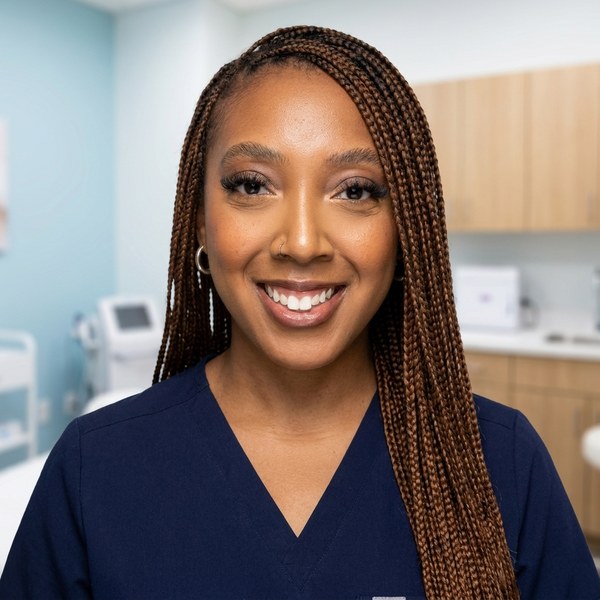
Nurse Practitioner
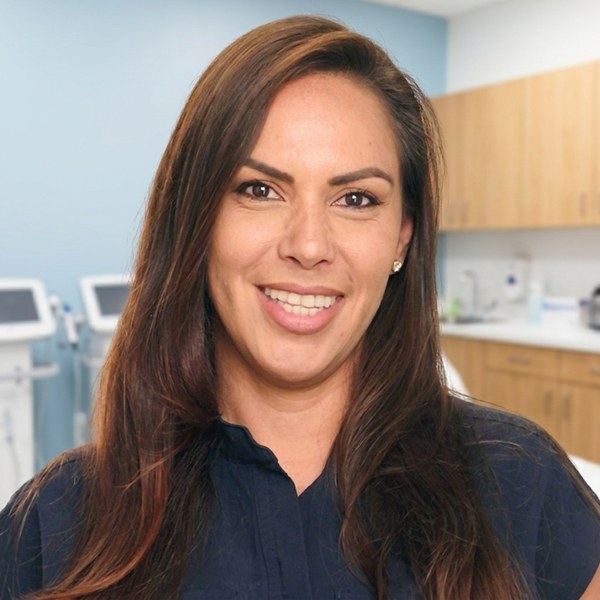
Megan Lafuente
West Hollywood
What Megan does
- Neurotoxins
- Dermal filler
- Hormone therapy
- Peptide protocols
- Medical weight management
- Lab work review
Longevity
A full thyroid panel measures six markers, not one. If your TSH came back normal and you still feel unwell, this is the page explaining what a standard test does not show you.
$550per month
Panel, protocol and monitoring included
New clients save 15% on your first treatment.
Protocols start at $550 a month and include the panel, the provider time, the prescription and ongoing monitoring rather than charging for them separately. A panel on its own is available if you would rather establish where you stand before committing to anything. BHRC is cash-pay and does not bill insurance.
Financing available
Pay over time with the same providers we use in center. Checking your options does not affect your credit score.





Thyroid balancing · TSH
In short
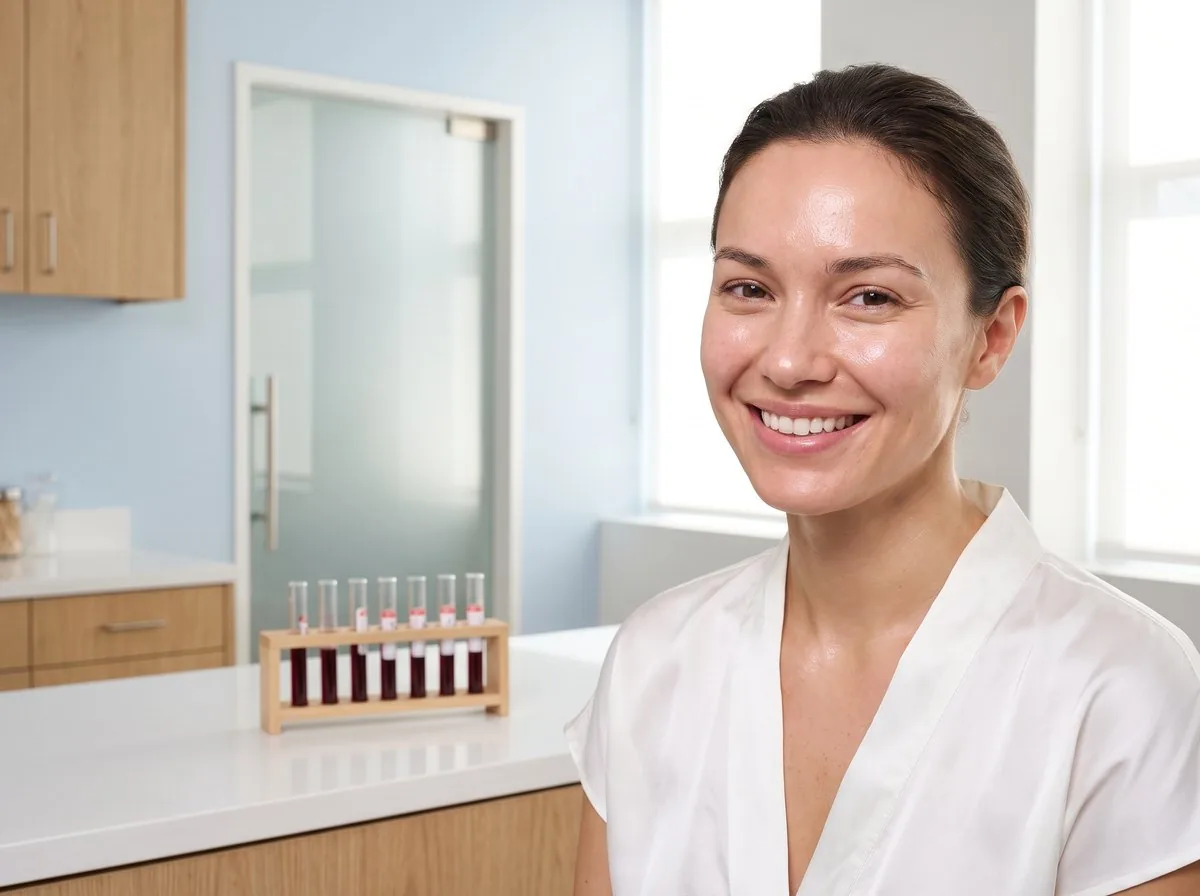
A full thyroid panel measures TSH, Free T4, Free T3, Reverse T3 and both thyroid antibodies, rather than TSH alone. That matters because TSH is the pituitary's signal to the thyroid, not a measure of what your cells are actually receiving, so a normal TSH can coexist with real symptoms. At BHRC the full panel comes first, and any protocol is written from it and re-tested over time.
Most thyroid testing is a single marker: TSH. TSH is the message your pituitary sends to your thyroid, which makes it a measure of the instruction rather than of the result. It is genuinely useful and it is not the whole picture. Free T3, the form that actually acts on your cells, is frequently not tested at all. Neither is Reverse T3, which can blunt the effect of otherwise adequate hormone. Neither are the antibodies that indicate autoimmune involvement. That is how someone gets told their thyroid is normal while still feeling exactly as they did, and it is why a full panel is worth having.

Units and cost
What is included, and why each one is there.
| Area | Typical units | Cost |
|---|---|---|
| TSH | Thyroid stimulating hormone | Included |
| Free T4 | The storage hormone | Included |
| Free T3 | The active hormone | Included |
| Reverse T3 | The brake | Included |
| TPO antibodies | Autoimmune marker | Included |
| Thyroglobulin antibodies | Autoimmune marker | Included |
| Provider consultation | Results read with you | Included |
| Monthly protocol | Panel, protocol and monitoring | from $550/month |
All six markers are included rather than billed separately. A panel showing normal results is a useful outcome: it tells you to look elsewhere for the cause, which is worth knowing.
Treatment areas
TSH
Thyroid stimulating hormone
The pituitary's instruction to the thyroid. The single most common test, and the only one many standard panels
Free T4
The storage hormone
The main hormone the thyroid produces. Mostly inactive until converted, so it tells you what the gland is maki

Free T3
The active hormone
The form that actually acts on your cells. Frequently omitted from standard panels, and the marker that most o

Reverse T3
The brake
An inactive form the body produces under stress or illness. Elevated reverse T3 can blunt the effect of otherw

TPO antibodies
Autoimmune marker
Thyroid peroxidase antibodies. Their presence points toward autoimmune thyroid disease, which changes what the

Thyroglobulin antibodies
Autoimmune marker
The second autoimmune marker, tested alongside TPO for a complete picture.
How it works
Six markers, and what each one actually tells you.
TSH and Free T4 describe what the gland is being told to do and what it is producing. These are the two most standard tests and, on their own, the most incomplete.
Free T3 and Reverse T3 describe what your body is actually using. T4 has to be converted into T3 to act, and that conversion can go wrong independently of anything the first two markers show.
TPO and thyroglobulin antibodies indicate whether the immune system is involved. That changes what the other numbers mean and how they should be followed over time.
Which product
The difference that sends people looking for a fuller test.
Starts working: Same week. Lasts: n/a. The standard screening test, and often the only one run. Measures the pituitary's signal to the thyroid. Genuinely useful for detecting obvious hypo- and hyperthyroidism, and blind to conversion problems and autoimmune involvement.
Starts working: Same week. Lasts: n/a. The common follow-up. Adds what the gland is producing, but still says nothing about how much of it is being converted into the active form.
Starts working: Same week. Lasts: n/a. All six markers: TSH, Free T4, Free T3, Reverse T3, TPO antibodies and thyroglobulin antibodies, read with a provider. This is what tells you whether conversion or autoimmunity is part of the picture.
Starts working: Same week. Lasts: n/a. Thyroid and sex hormones assessed together. They interact, and reviewing one without the other is a common reason protocols stall.
Good to know
And when you need a doctor rather than a wellness protocol.

The single most common reason people look for a fuller panel, and a legitimate one.
Common in thyroid dysfunction and common in a dozen other things. The panel is how you tell them apart.
Particularly with cold intolerance or dry skin, which is a more specific pattern.
Frequently reported, non-specific alone, meaningful alongside the numbers.
Autoimmune thyroid conditions run in families, which is what the antibody markers are for.
A full panel shows whether your current dose is achieving what it is supposed to. ⚠️ Never stop or change prescribed thyroid medication without the clinician who prescribed it.
Thyroid disease is a diagnosable medical condition. If your results suggest one, you need proper medical care for it, and we will say so rather than manage it as a wellness protocol.
Aftercare
Results first, then a decision that might be to do nothing.

Usually within a week. A provider reads them with you rather than emailing a PDF.
That is a real and useful result. It means the cause of how you feel is elsewhere, and we will say so rather than treat anyway.
A provider-written protocol, which may include medication, nutritional guidance or referral depending on what the panel shows.
First reassessment. Thyroid protocols take time to show in either symptoms or numbers.
Repeat panels and dose adjustment. Thyroid is monitored indefinitely, not set once.
Where sex hormones are also being treated, the two are reviewed together at each visit.
Some findings belong with an endocrinologist. We will tell you that rather than keep you.
Is it for you
Balancing Therapy Thyroid Balancing Therapy is designed for adults experiencing symptoms of thyroid dysfunction.
During your consultation your provider will assess you and review your medical history to make sure this treatment is safe and appropriate for you.
Your timeline
From the panel to a settled protocol.
Frequently asked
Thyroid Balancing Therapy is a comprehensive approach to optimizing your thyroid function. The thyroid gland produces hormones (T3 and T4) that regulate metabolism, energy, body temperature, and many other vital functions. When these hormones are out of balance, you experience symptoms like fatigue, weight gain, brain fog, and mood changes. Our therapy involves thorough testing, personalized treatment protocols, and ongoing monitoring to restore optimal hormone levels.
Many patients report initial improvements in energy and mood within 2-4 weeks of starting treatment. However, thyroid hormones need time to reach optimal levels in your body. Significant improvements are typically experienced within 6-8 weeks, with continued optimization over 3-6 months. We monitor your progress with regular bloodwork and adjust treatment as needed to achieve the best results. Is thyroid medication safe?
When properly dosed and monitored, thyroid medication is very safe and well-tolerated. The goal is to restore your thyroid hormones to optimal levels—not exceed them. Side effects are typically a sign that dosing needs adjustment. Our providers carefully monitor your labs and symptoms to ensure your treatment is safe and effective. Regular check-ups allow us to make adjustments before any issues develop.
Many conventional doctors only test TSH, which doesn’t give a complete picture of thyroid function. At BHRC, we test TSH, Free T3, Free T4, Reverse T3, and thyroid antibodies. Additionally, we use optimal ranges rather than just “normal” lab ranges. You can have symptoms even when your labs appear normal by standard reference ranges. Our comprehensive approach identifies issues that standard testing often misses.
T4 (levothyroxine) is the most commonly prescribed thyroid medication, which your body must convert to the active T3 hormone. However, some people don’t convert T4 efficiently, leaving them symptomatic even with treatment. Combination therapy includes both T4 and T3 (or desiccated thyroid), providing the active hormone directly. Our providers assess your conversion ability through testing to determine which approach is best for you.
Thyroid medication does have some interactions to be aware of. It should be taken on an empty stomach, and certain supplements (like calcium, iron, and magnesium) should be taken several hours apart. During your consultation, we’ll review your complete medication and supplement list to ensure proper timing and avoid any interactions. We’ll provide clear guidance on how to take everything effectively.
Anyone experiencing symptoms of thyroid dysfunction should consider evaluation. Common symptoms include fatigue, weight gain, brain fog, depression, hair loss, cold intolerance, and dry skin. Women, especially those over 40 or postpartum, are at higher risk for thyroid issues. If you have a family history of thyroid disease, autoimmune conditions, or have been told your thyroid is “borderline,” you may benefit from our comprehensive approach.
This depends on the cause of your thyroid dysfunction. Some conditions, like Hashimoto’s thyroiditis, typically require lifelong treatment because they cause permanent damage to the thyroid gland. Other conditions may be temporary. Our providers will explain your specific situation and what to expect long-term. Many patients find that once optimized, maintaining thyroid health becomes a simple part of their wellness routine. Individual results may vary. Thyroid Balancing Therapy involves prescription medications that require evaluation by a licensed medical provider. Treatment should only be initiated under proper medical supervision. Consult with our medical professionals to determine if thyroid therapy is right for you. The content on this page is for informational purposes only and does not constitute medical advice. Patient testimonials reflect individual experiences and results may vary.
Enhance your results
What pairs well with neurotoxin.
Sex hormones and thyroid interact, and are most usefully assessed together. From $550 a month.
Learn More
The wider testing menu, if you want a broader picture than thyroid alone.
Learn More
Where thyroid is part of a metabolic picture rather than the whole of it.
Learn More
The wider picture: what we test, what we treat, and where to start if you are not sure.
Learn MoreOur team
The molecule is the same everywhere. Who holds the syringe is not.
Nurse Practitioner
West Hollywood
What Megan does
TSH, Free T4, Free T3, Reverse T3 and both antibodies. A normal TSH on its own does not rule out a thyroid problem, and a panel that stops there cannot tell you it has.
Not a PDF in your inbox. Someone who can explain what Reverse T3 means for you specifically.
If your panel is clean we will tell you and point you elsewhere, rather than starting a protocol because you are already here.
Thyroid and sex hormones interact. Treating one while ignoring the other is a common reason people stall.
Some findings belong with an endocrinologist. Saying so is part of the job.
From $550 a month, including the panel, the provider time and the monitoring.
Find a center
Available at all 22 centers. Pick your closest for directions, hours and local pricing.
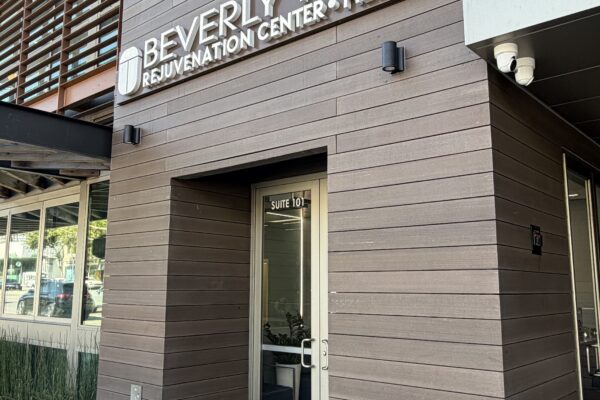
West Hollywood, CA
8550 Santa Monica Blvd, Ste 101
West Hollywood, CA 90069

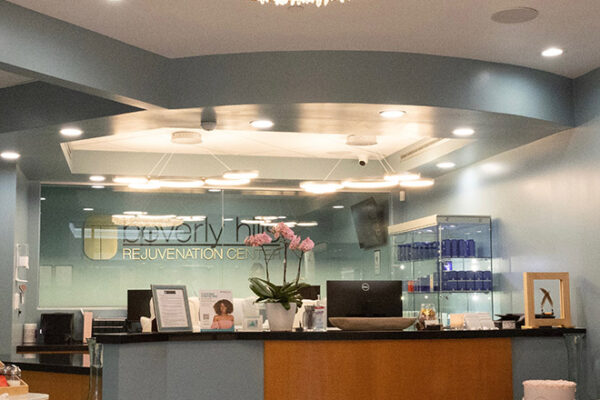
Westlake Village, CA
968 South Westlake Blvd, Ste 10
Westlake Village, CA 91361


Las Vegas, NV
1825 Festival Plaza Dr, Ste 180
Las Vegas, NV 89135

Henderson, NV
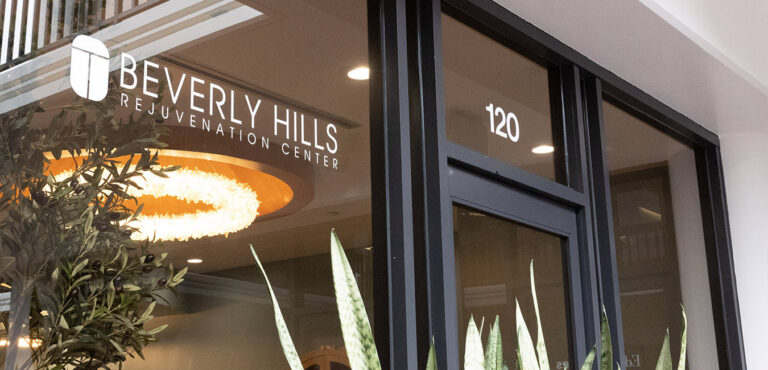
120 S Green Valley Pkwy, Ste 174
Henderson, NV 89012

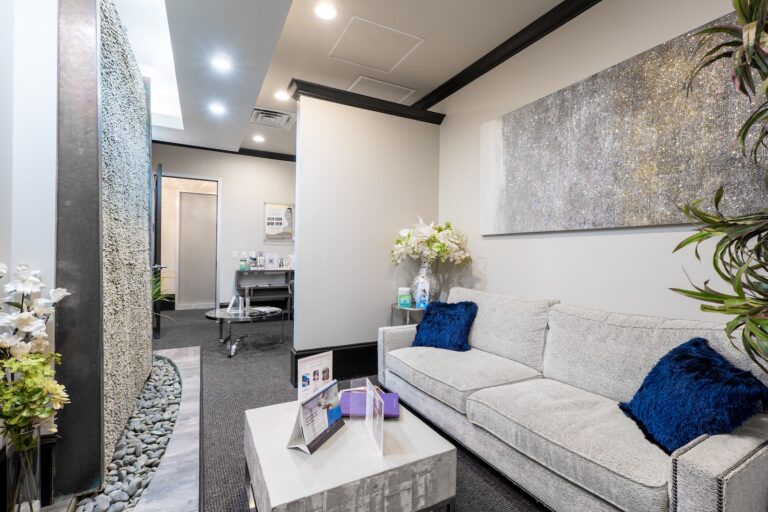




Bee Cave, TX
3944 Ranch Rd 620 S, Bldg 1, Ste 100
Bee Cave, TX 78738


San Antonio, TX
23110 W Interstate 10 Frontage Rd, Ste 203
San Antonio, TX 78257

Tell us what you are considering and where, and a provider will be in touch.
"*" indicates required fields
Start your journey
Request a consultation. A provider will order the complete panel, read it with you, and tell you honestly whether the answer to how you feel is in these numbers or somewhere else.
Medically reviewed by the BHRC clinical team. Last reviewed August 2026.
This page is for general information and is not medical advice. Treatment suitability, pricing and results vary by individual and are confirmed at consultation with a licensed provider.