BHRC BLOG
Peptide Therapy in West Los Angeles: Physician-Supervised Programs at BHRC
BHRC Medical Team
Beverly Hills Rejuvenation Center, West Los Angeles
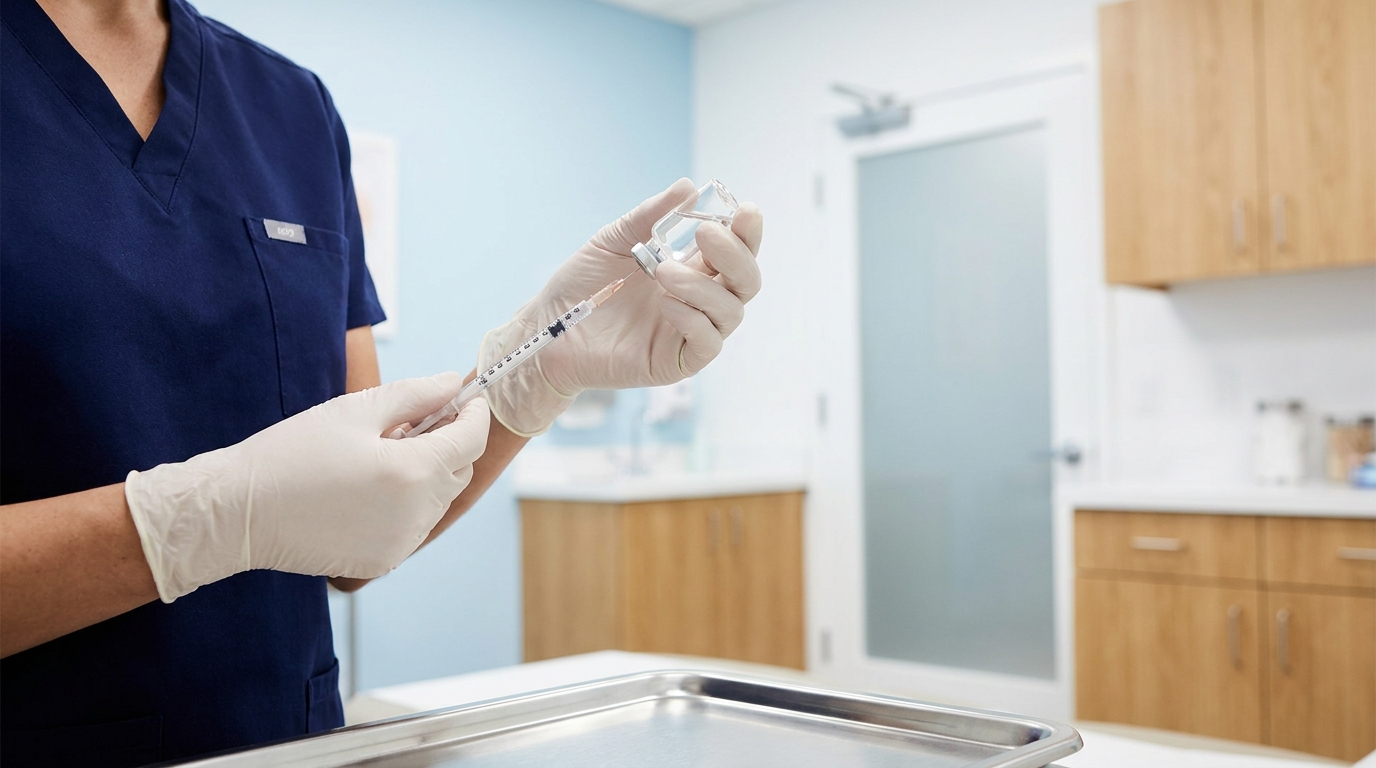
Peptide therapy in West Los Angeles has grown significantly over the past two years — and for good reason. West Los Angeles — spanning Brentwood, Culver City, Santa Monica, and the areas between — has a health-conscious, educated patient population that approaches wellness decisions the same way they approach major purchases: with research, comparison, and a preference for specialists over generalists. BHRC’s West LA clinic brings physician-supervised peptide protocols to West Los Angeles, with the same medical standards and compounding pharmacy partnerships as our flagship West Hollywood location.
This guide covers what peptide therapy looks like at BHRC West LA specifically — the programs we offer, who benefits, what your first appointment involves, and what it costs in the West Los Angeles market.
What Is Peptide Therapy?
Peptides are short chains of amino acids that act as signaling molecules — triggering the body’s own systems to regulate inflammation, repair tissue, support hormone production, or accelerate fat metabolism. Unlike synthetic hormones, most peptides work with your biology rather than overriding it, which is why they’ve become popular with physicians focused on optimization rather than just disease management.
For a complete breakdown of how peptides work and what the clinical research shows, see: What Are Peptides? A Beginner’s Guide.
Peptide Programs at BHRC West LA
Every protocol at our West LA clinic is individualized — starting with lab work, not assumptions. We don’t have a one-size-fits-all peptide stack. Here’s what we work with:
- GLP-1 weight loss peptides — Semaglutide and tirzepatide for appetite regulation, metabolic improvement, and sustainable fat loss. See our comparison: Semaglutide vs. Tirzepatide.
- BPC-157 — For musculoskeletal recovery, gut healing, and tendon repair. Evidence review: BPC-157 Benefits: What the Research Says.
- Growth hormone secretagogues — CJC-1295/Ipamorelin to stimulate natural GH release for body composition, sleep quality, and recovery time.
- Anti-inflammatory peptides — KPV and similar compounds for systemic inflammation reduction.
- Longevity protocols — Epithalon, NAD+ support, and mitochondrial optimization peptides.
Peptide Therapy for Weight Loss in West Los Angeles
West LA’s proximity to the film, tech, and fitness industries means many of our patients are managing high-demand schedules, optimizing cognitive performance, and recovering from intense training regimens. Peptide therapy addresses all three — energy, cognition, and recovery — through a single physician-supervised protocol. GLP-1 agonists (semaglutide and tirzepatide) are our most requested weight loss protocols. Clinical trials show 15–22% average body weight reduction over 68 weeks — results that diet and exercise alone rarely produce for patients who’ve already been consistent with both.1
What separates BHRC’s GLP-1 program from a telehealth subscription: we titrate slowly based on your lab response, monitor metabolic markers (not just weight), and can combine GLP-1 therapy with EMSculpt NEO to preserve muscle mass during rapid fat loss.
Who Is a Good Candidate?
- Weight loss patients who have plateaued on diet and exercise
- Athletes and active adults seeking faster recovery and reduced inflammation
- Adults 35+ experiencing declining energy, reduced recovery, or body composition changes associated with aging
- Biohackers and longevity-focused patients wanting objective optimization protocols
- Post-surgical patients using BPC-157 to accelerate healing
What to Expect at Your First Appointment
- Free consultation — 20-minute call or in-person visit to review goals and health history.
- Lab work — Comprehensive metabolic, hormonal, and inflammatory panel.
- Physician review — Your provider reviews results and designs a specific protocol explaining each compound, delivery method, and timeline.
- Protocol delivery — Peptides prescribed through a licensed compounding pharmacy, delivered to home or clinic. Injectable training provided.
- Follow-up monitoring — Labs repeated at 60–90 days. Dosing adjusted based on response.
Cost of Peptide Therapy in West Los Angeles
| Component | Estimated Cost |
|---|---|
| Initial consultation | Free |
| Lab panel | $150–$350 |
| Physician review + protocol design | Included |
| Monthly peptide cost | $200–$600/month |
| Follow-up monitoring | Included |
Peptide therapy is not covered by insurance. GLP-1 programs are priced separately — see our full guide: Best Peptides for Weight Loss (2026).
Frequently Asked Questions
Are the peptides you use legal?
Yes. Every peptide we prescribe is dispensed through a licensed compounding pharmacy and prescribed by a licensed physician. These are not OTC supplements.
Do I need to come into the West LA clinic?
The initial consultation and lab review can be done in-person or via telehealth. Injectable protocol training is done in-clinic. Follow-up appointments are available virtually for established patients.
How long until I see results?
GLP-1 peptides typically show appetite suppression within 1–2 weeks. BPC-157 takes 4–8 weeks for meaningful tissue repair. Growth hormone secretagogues require 60–90 days for body composition and sleep changes.
Can I combine peptide therapy with hormone replacement therapy?
Yes — and many West Los Angeles patients do. HRT and peptide therapy address complementary biological systems and the combination often produces better results than either alone. Your physician will advise on appropriate protocols for your labs and goals.
Peptide Therapy for Recovery and Performance
Beyond weight loss, peptide therapy has become a go-to protocol for patients focused on recovery, athletic performance, and longevity. Two categories dominate this use case at BHRC:
BPC-157 — Body Protective Compound 157 is derived from a protein found in gastric juice and has shown consistent results in accelerating tendon, ligament, and muscle repair, reducing systemic inflammation, and supporting gut barrier integrity. BHRC patients using BPC-157 post-injury or post-surgery typically report faster return to activity and less inflammatory pain during recovery. Full clinical overview: BPC-157 Benefits: What the Research Actually Says.
CJC-1295 + Ipamorelin — This growth hormone secretagogue stack is BHRC’s most commonly prescribed protocol for patients over 35 experiencing the natural decline in GH output that begins in the mid-30s. Unlike synthetic HGH (which suppresses your body’s own production), this combination stimulates your pituitary to release more of its own growth hormone — maintaining the pulsatile pattern that makes GH physiologically effective. Most patients report measurably improved sleep depth within 2–3 weeks, with body composition changes emerging at 60–90 days.
For patients interested in how GLP-1 peptides specifically work at the receptor level, see our detailed guide: GLP-1 Peptides: How They Work.
Why Physician Supervision Matters for Peptide Therapy
The proliferation of online peptide platforms has made it easy to receive compounds with minimal medical oversight. We don’t recommend that approach — and the reasons are specific, not just liability-driven.
Peptide dosing is highly individual. The standard starting dose for semaglutide that one patient tolerates perfectly may produce debilitating nausea in another. BPC-157 dosing for gut healing differs from dosing for tendon repair. CJC-1295 without Ipamorelin behaves differently than the combination. Without baseline labs and a physician who understands your full health picture, you’re making dosing decisions based on forum anecdotes rather than your own biology.
At BHRC, every peptide program starts with objective lab data and ends with follow-up monitoring. You have a named clinical provider reviewing your case — not an algorithm processing a questionnaire.
More Frequently Asked Questions
Can I combine peptide therapy with hormone replacement therapy?
Yes — and the combination is often more effective than either alone. Hormonal deficiencies (low estrogen, low testosterone, low growth hormone) and peptide protocols address overlapping but distinct biological systems. Many BHRC patients run HRT and peptide therapy simultaneously, with protocols designed to complement rather than compete with each other. Your physician will assess both your hormone panel and your peptide goals together.
What if I’ve already tried peptides from an online provider?
We see this regularly. Patients come in having used a telehealth peptide platform for 2–3 months with inconsistent results. Most of the time, the issue is either incorrect dosing, a protocol not matched to their specific labs, or a compound that’s not the right fit for their goals. BHRC starts fresh with your bloodwork and builds a protocol based on what your body actually shows — not what the previous provider defaulted to.
How is BHRC different from other peptide clinics?
The primary differences are physician oversight, lab-guided protocols, and pharmaceutical-grade compounding. Many peptide providers operate with minimal physician involvement. At BHRC, a licensed physician reviews your case before any protocol is prescribed, interprets your follow-up labs, and is available for questions throughout your program. We also use only FDA-registered compounding pharmacies — not research-grade or unverified suppliers.
Does BHRC serve patients from Santa Monica, Brentwood, or Culver City?
Yes. Our West LA clinic serves the entire Westside corridor — Santa Monica, Brentwood, Mar Vista, Palms, Culver City, and surrounding neighborhoods. Parking is available on-site, and telehealth is available for consultations and follow-up visits so patients can minimize clinic trips once their protocol is established.
Why do West LA patients specifically choose physician-supervised peptide therapy?
West LA has a highly informed patient demographic who have typically already researched peptides independently before arriving. What they’re looking for at BHRC isn’t an introduction to peptides — it’s a physician who can review their labs, explain the actual clinical evidence, and prescribe pharmaceutical-grade compounds at appropriate doses. That’s a different service than what a DTC subscription provides, and West LA patients understand the difference.
READ NEXT
Ready to Start?
Get Your Personalized Peptide Protocol
BHRC’s West LA clinic offers physician-supervised peptide programs. Free consultation — no commitment required.
1 Wilding JPH, et al. Once-Weekly Semaglutide in Adults with Overweight or Obesity. N Engl J Med. 2021;384(11):989–1002.