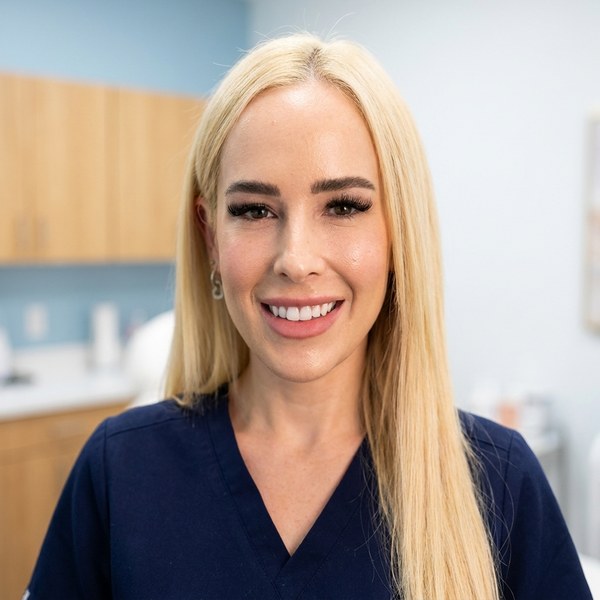
Nurse Practitioner
Megan Lafuente
West Hollywood
What Megan does
- Neurotoxins
- Dermal filler
- Hormone therapy
- Peptide protocols
- Medical weight management
- Lab work review
Pain management
Regenerative injections for joint pain, and a straight answer about when they help and when you should be seeing a surgeon instead.
$1,200
One injection, priced by the product above
$3,2003 injections
One joint, spaced 4 to 6 weeks apart
New clients save 15% on your first treatment.
Prices are starting points and are consistent across the centers that offer joint injections. ⚠️ Insurance does not cover this: most US carriers still classify PRP as investigational, so plan on paying out of pocket. The consultation is complimentary, including the part where we tell you an injection is not the answer. Joint injections are not offered at every BHRC center — send the form and we will tell you which location near you performs them.
Financing available
Pay over time with the same providers we use in center. Checking your options does not affect your credit score.





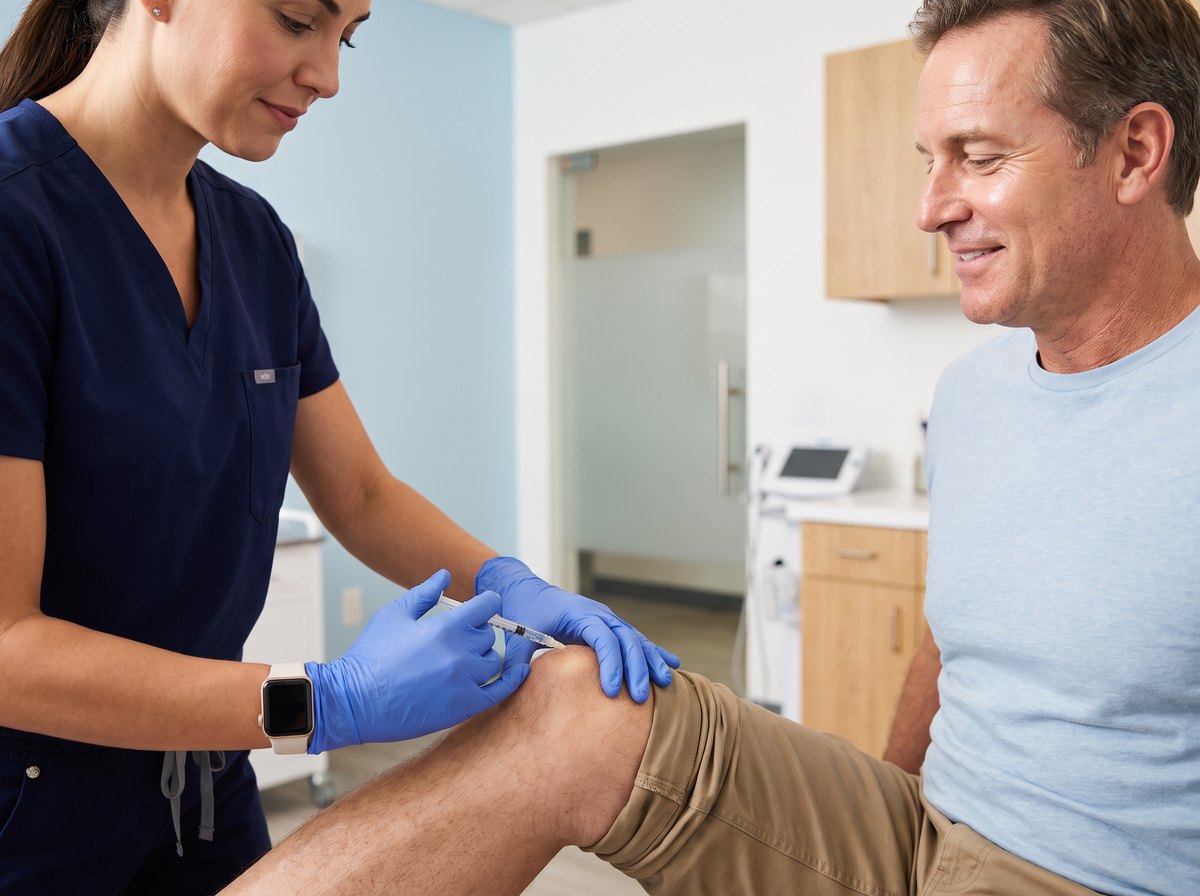
Joint injections · Knee
In short
Joint injections at BHRC place PRP, made from your own blood, directly into a painful joint to reduce inflammation and support the tissue around it. They are used most often for mild to moderate knee osteoarthritis, and also for hip, shoulder, ankle and elbow pain. Cost starts at $1,200 for a single joint; the most studied protocol is three injections spaced four to six weeks apart at $3,200. They reduce pain and improve function for many people. They do not regrow a worn joint, and where osteoarthritis is severe an orthopaedic surgeon is the right referral, not an injection.
A regenerative joint injection puts concentrated growth factors into a joint that is inflamed and painful. In mild to moderate osteoarthritis that can meaningfully reduce pain and improve function for months, and several trials show PRP outperforming placebo in the knee. What it does not do is regrow a worn joint. Cartilage that has gone is gone, and no injection available anywhere today puts it back. If your osteoarthritis is severe and the joint is bone-on-bone, the honest answer is an orthopaedic surgeon, not a series of injections, and we would rather tell you that at the consultation than take your money for something that will not help.

Units and cost
Starting prices. Which protocol you need is set at the consultation.
| Area | Typical units | Cost |
|---|---|---|
| Knee | Osteoarthritis, meniscal degeneration, ligament sprains | from $1,200 |
| Hip | Hip OA, labral pathology, trochanteric bursitis | from $1,200 |
| Shoulder | Rotator cuff tendinopathy, AC joint, glenohumeral OA | from $1,200 |
| Both knees or both hips | Symmetric osteoarthritis | from $2,200 |
| Full series, one joint | 3 injections, 4 to 6 weeks apart | $3,200 |
| Ankle, wrist, elbow, thumb | Case by case, after assessment | from $1,200 |
| Consultation | Bring your X-ray or MRI | Complimentary |
The knee has by far the most published evidence behind it. The further you get from the knee, the thinner the evidence base, and we will tell you where your joint sits on that spectrum rather than implying they are all equally supported.
Treatment areas
Knee
from $1,200
The most common and best-evidenced joint.
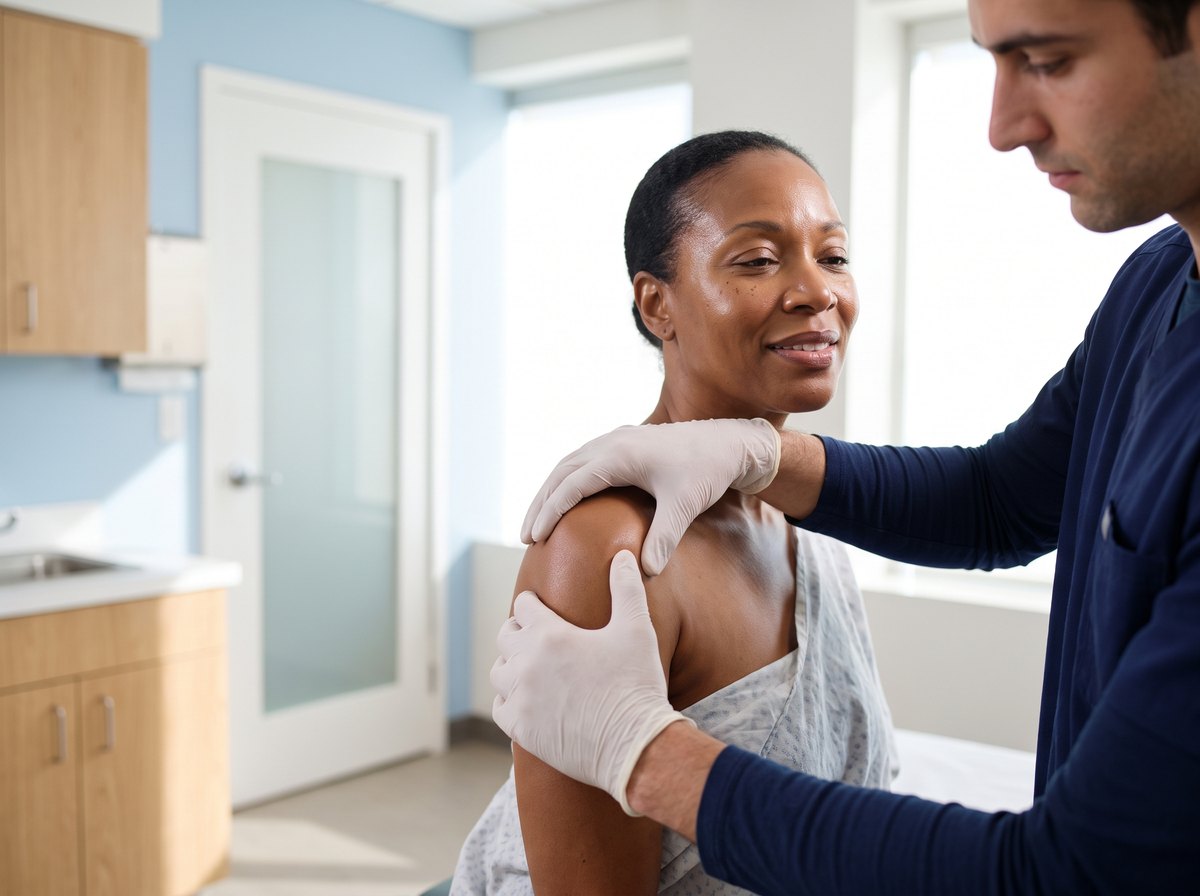
Shoulder
from $1,200
Including rotator cuff related pain.
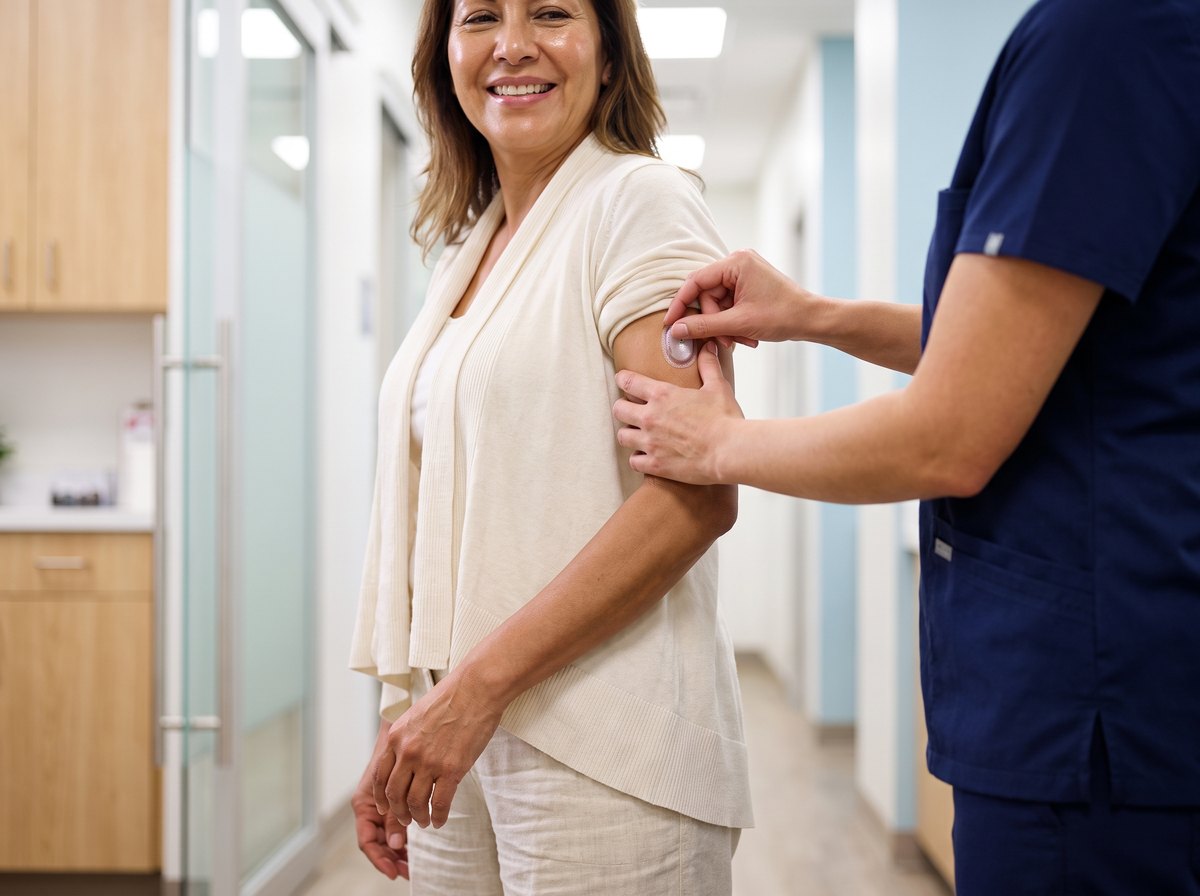
Hip
from $1,200
Where injection access is appropriate.
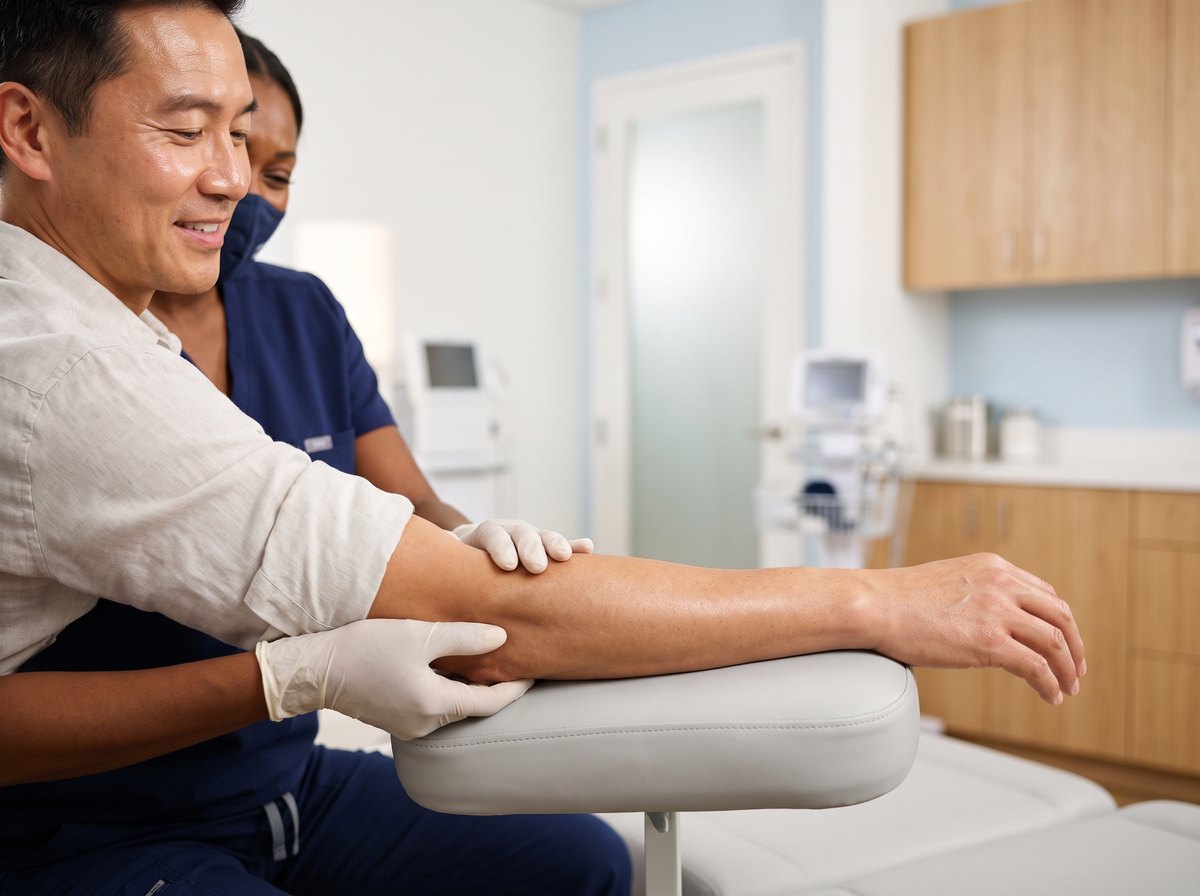
Elbow
from $1,200
Tennis and golfer's elbow.
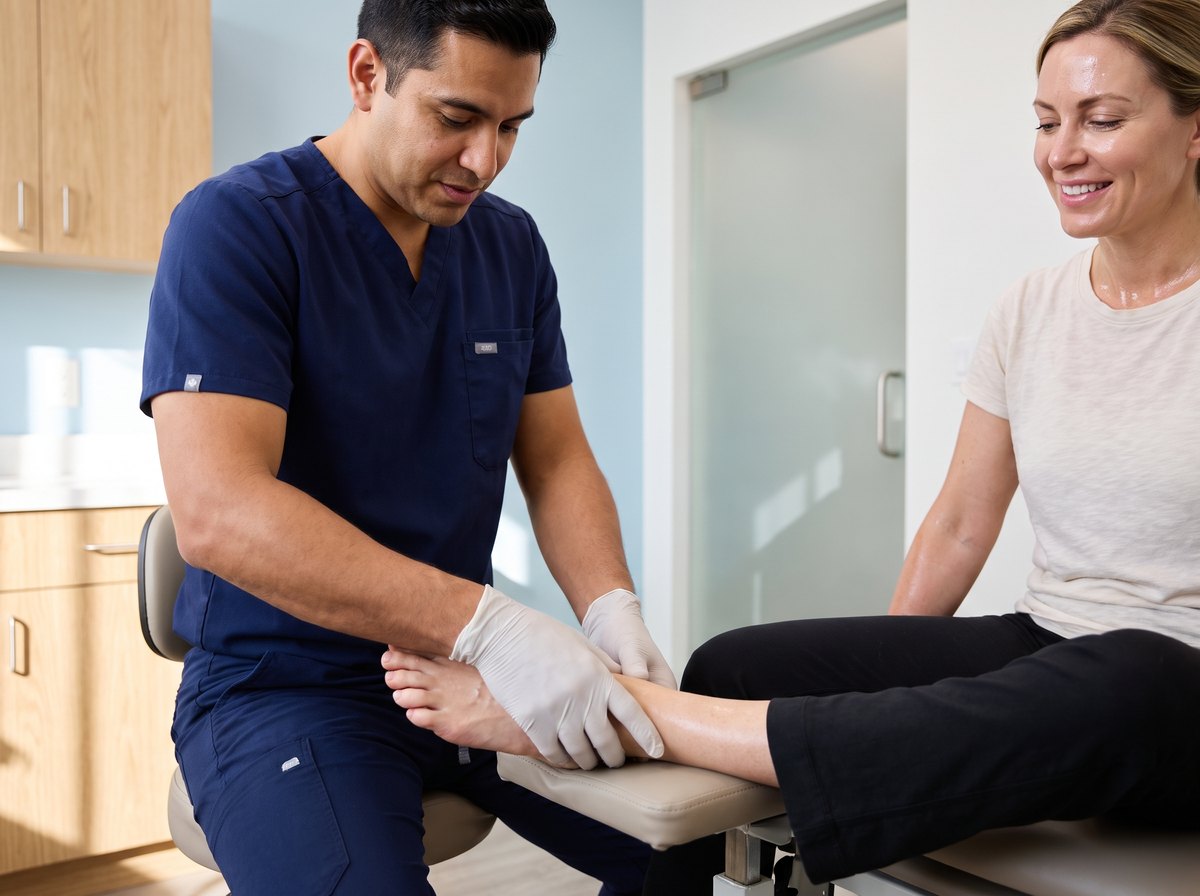
Ankle
from $1,200
Post-injury and osteoarthritic pain.
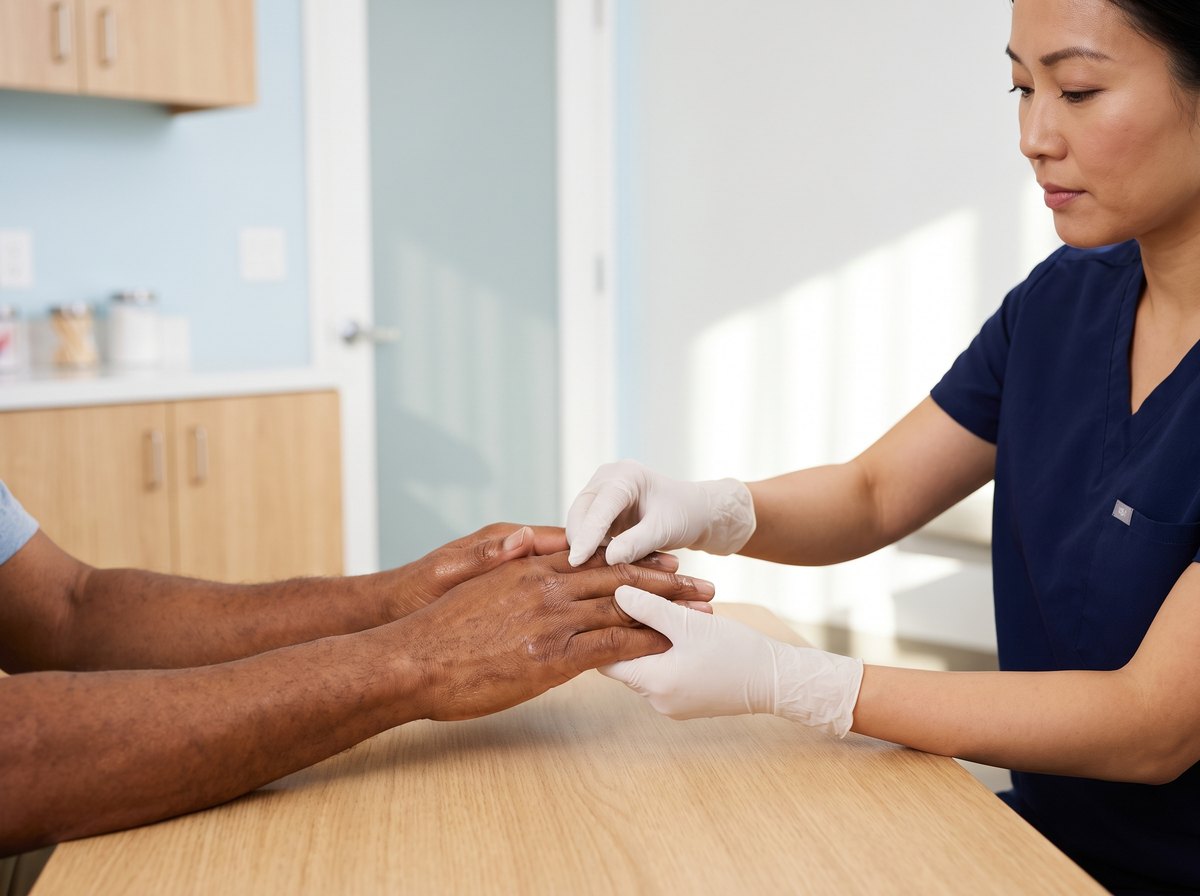
Hand and wrist
from $1,200
Small joint osteoarthritis.
How it works
Reduce the inflammation, support the tissue around it.
The assessment comes first: which joint, how long, what makes it worse, and how much structural change there is. Prior imaging matters here, and if you have had an X-ray or MRI, bring it.
A small volume of blood is drawn and spun in our centrifuge to concentrate the platelets to roughly four to six times baseline. It is your own blood, so nothing foreign is introduced and there is no allergy risk. It is prepared immediately before the injection.
The area is numbed and the concentrate is injected into the joint space. Knees are usually accessible by anatomical landmark; hips and awkward positions are done under image guidance, because accurate placement is the single biggest determinant of whether this works. The injection itself takes 20 to 30 minutes.
Response builds over weeks rather than days. The most studied protocol is three injections four to six weeks apart, though some people do well on one. Where it works it typically holds for several months to a year. Some people get little or no benefit, and that is a real outcome we will discuss before you start rather than after.
Which product
Including the two we do not offer.
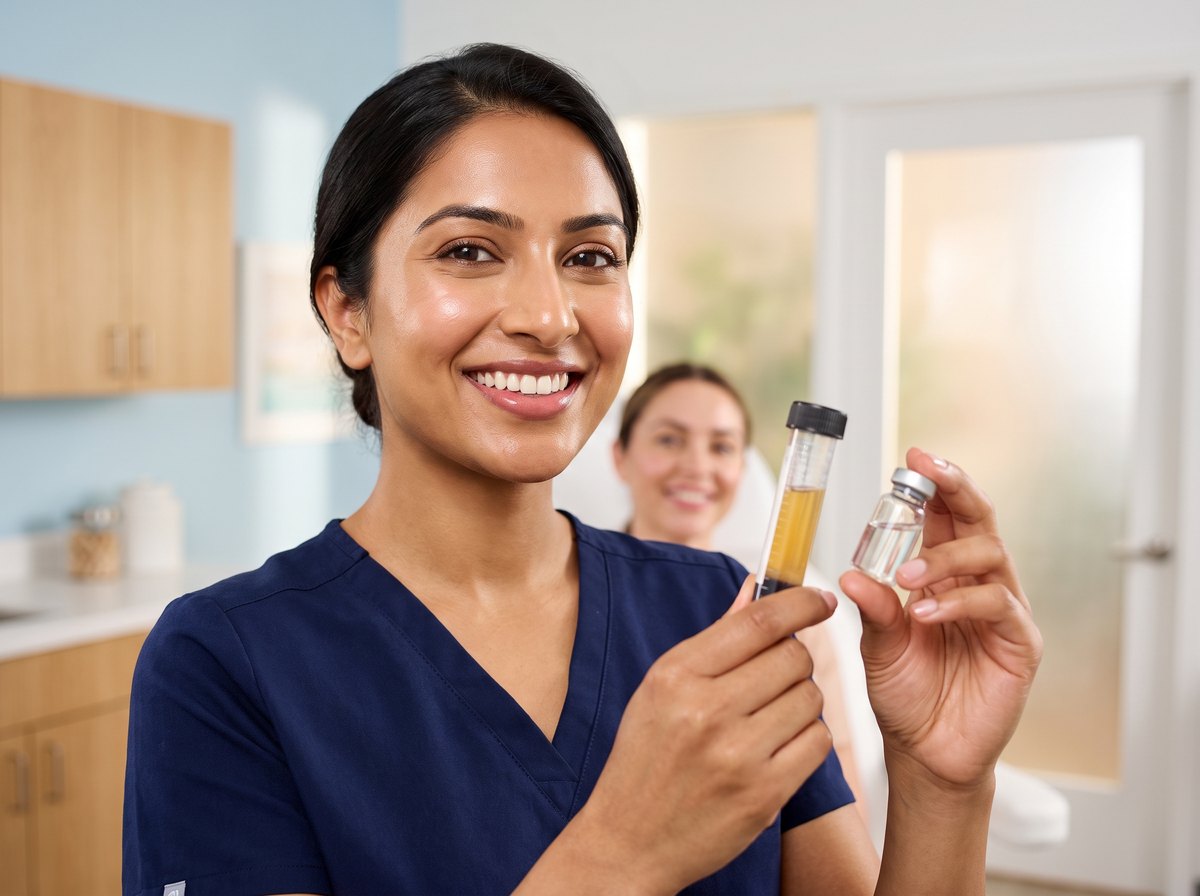
Starts working: 2 to 3 days sore. Lasts: Months to a year. Your own platelets. The better-evidenced regenerative option: multiple trials show benefit over placebo in mild to moderate knee osteoarthritis. Requires a blood draw. Results vary considerably between people and it is not a cure.
Starts working: 2 to 3 days sore. Lasts: Months. Acellular growth factors, no draw needed. ⚠️ The joint evidence is earlier and thinner than PRP's. A reasonable option, particularly where a draw is difficult, but we are not going to present it as better-proven than it is.
Starts working: Fast relief. Lasts: Weeks to months. We do not routinely offer these. Worth understanding both halves: steroids work quickly and are cheap, which is why they are so widely used — and repeated injections into the same joint can accelerate cartilage loss. For short-term relief of a badly inflamed joint they have a real place, and your GP or orthopaedist can provide them.
Starts working: Weeks. Lasts: Long term. We do not perform it, and for severe bone-on-bone osteoarthritis it is the honest answer. Injections will not rebuild that joint. We will say so and recommend you see a surgeon rather than sell you a course.
Good to know
Stated carefully, because this category over-promises badly.
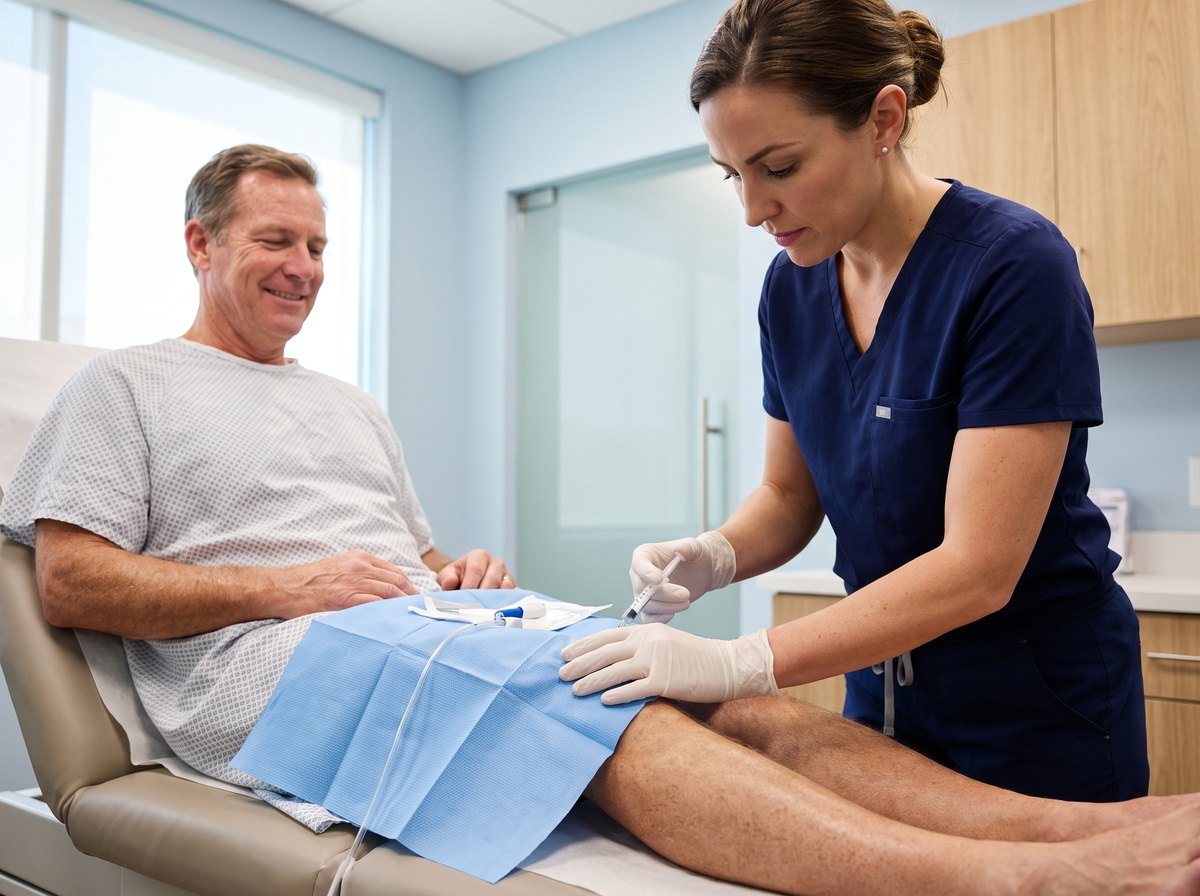
The main reason to do this, and where the evidence is strongest — mild to moderate knee osteoarthritis.
Stairs, walking distance, getting out of a chair. Function often matters more day to day than the pain score.
For some people it postpones the conversation about surgery. For others it will not, and that is not predictable in advance.
PRP is autologous — nothing foreign, no allergy risk.
We do not prescribe them and this is not a pain clinic. This is an injection performed in a medical setting.
Nothing injectable available today rebuilds a worn joint. Anyone telling you otherwise is overselling.
A meaningful proportion of people get little or no benefit. We will tell you that before you decide, not after.
Aftercare
Worse before better is normal here.

The joint is often MORE sore, not less. That is an expected inflammatory response and not a sign it has failed.
Relative rest for two to three days. Ice for the soreness. Avoid anti-inflammatories if your provider asks you to, since they can blunt the response.
Soreness settles. Most people return to normal activity within a few days.
Where benefit shows if it is going to. This is slow, and judging it at two weeks is judging it too early.
Loading the joint appropriately is part of the treatment. Strength work around the joint does more for long-term function than any injection.
Say so. Repeating an injection that did nothing is not a plan, and it may be time for an orthopaedic opinion.
Anti-inflammatories can blunt the response you just paid for. Your provider will tell you what to use instead.
Four to six weeks if you are on the three-injection series; six to twelve months for maintenance where it worked.
Is it for you
These work best earlier in the course of joint disease, which is the opposite of when most people get round to asking about them.
Bring any X-ray or MRI you have. Imaging changes the recommendation more than anything else you can tell us.
Your timeline
Assessment first, and sometimes it ends there.
Frequently asked
A single joint starts at $1,200. Both sides — both knees or both hips — starts at $2,200. The full three-injection series into one joint is $3,200. Those are starting points and they are consistent across the BHRC centers that offer joint injections. The consultation is complimentary, including the part where we tell you an injection is not the right answer for your joint.
No, in almost all cases. Most US carriers still classify PRP as investigational and do not reimburse it, so plan on paying out of pocket. We would rather you knew that before you book than after.
For mild to moderate knee osteoarthritis, several trials show PRP performing better than placebo for pain and function, with benefit lasting months. That is a genuine result and it is also a modest one. Response varies considerably between individuals, a meaningful proportion of people get little benefit, and the evidence is strongest in the knee and thinner elsewhere. We would rather you heard that from us than discovered it after paying.
No. Nothing injectable available today rebuilds a worn joint, and any clinic telling you otherwise is overselling. What these injections can do is reduce inflammation and pain and improve function, which for most people is what actually matters day to day.
Sometimes it postpones that conversation, and sometimes it does not — and it is not predictable in advance. Many of our joint patients are people who would qualify for a replacement but are not ready for surgery. If your osteoarthritis is severe and the joint is bone-on-bone, injections will not fix it and an orthopaedic surgeon is the right referral. We will tell you that at the consultation.
The most studied protocol for knee and hip osteoarthritis is three injections spaced four to six weeks apart, and the research suggests three produces more sustained results than one or two. Some people respond well to a single injection. Where it has worked, a maintenance injection is typically considered at six to twelve months. If three months have passed with no change, repeating it is not a plan — that is the point to seek an orthopaedic opinion.
Cortisone suppresses inflammation quickly and cheaply, which is why it is so widely used, and for a badly inflamed joint it has a genuine place. It does not address the underlying degeneration, and repeated injections into the same joint have been shown to accelerate cartilage loss. PRP is slower and more expensive, and works by stimulating the tissue rather than muting the symptom. We do not routinely offer cortisone; your GP or orthopaedist can.
For most knees the joint space is accessible by anatomical landmark and that is how it is done. For hips and for awkward anatomy, image guidance is used to confirm the injection reaches the joint space. Accurate placement matters more to the outcome than almost anything else, so if there is any doubt, guidance is used.
The injection itself is brief and the area is numbed first. The joint is often more sore for the first 48 to 72 hours, which is the expected inflammatory response rather than a complication. Most people walk out and manage light activity the same day, and avoid strenuous or high-impact exercise for three to five days. Your provider will likely ask you to avoid anti-inflammatories for about a week afterwards, since they can blunt the response.
Not every center does. Send the form below and we will tell you which location near you performs them and get you booked with a provider trained in musculoskeletal injection technique.
Enhance your results
What pairs well with neurotoxin.

The same platelet concentrate used across skin, hair and joints.
Learn More
The acellular growth-factor option, with no blood draw required.
Learn More
Strength around a joint does more for long-term function than any injection.
Learn More
If joint pain sits alongside fatigue or weight, the wider picture is worth testing.
Learn MoreOur team
The molecule is the same everywhere. Who holds the syringe is not.
Nurse Practitioner
West Hollywood
What Megan does
Severe bone-on-bone osteoarthritis needs an orthopaedist, not a course of injections. Saying so costs us the booking and it is the right answer.
PRP beats placebo in mild to moderate knee osteoarthritis in several trials. It is not a cure, response varies, and the evidence thins outside the knee. All of that is on this page rather than in the small print.
We inject in a medical setting. We do not prescribe controlled substances and we are not managing chronic pain pharmacologically.
PRP and Cell Factor, so the recommendation can be about your joint and your veins rather than about what we stock.
If three months bring no change, repeating it is not a plan. We will tell you that rather than sell another round.
Standardised training and the same protocols in every location.
Find a center
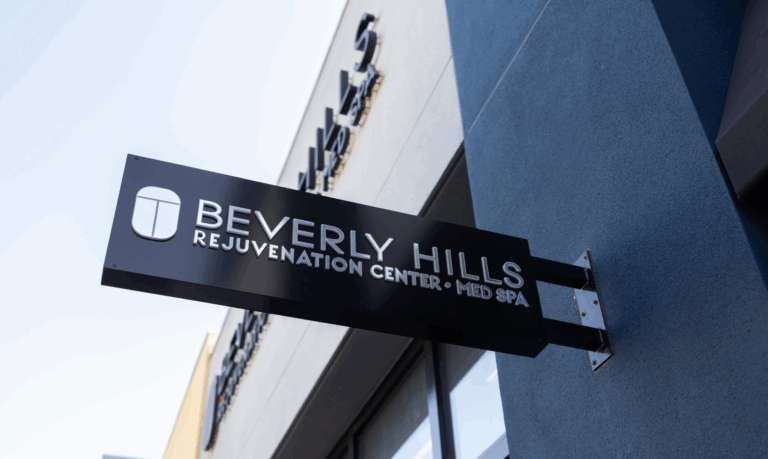
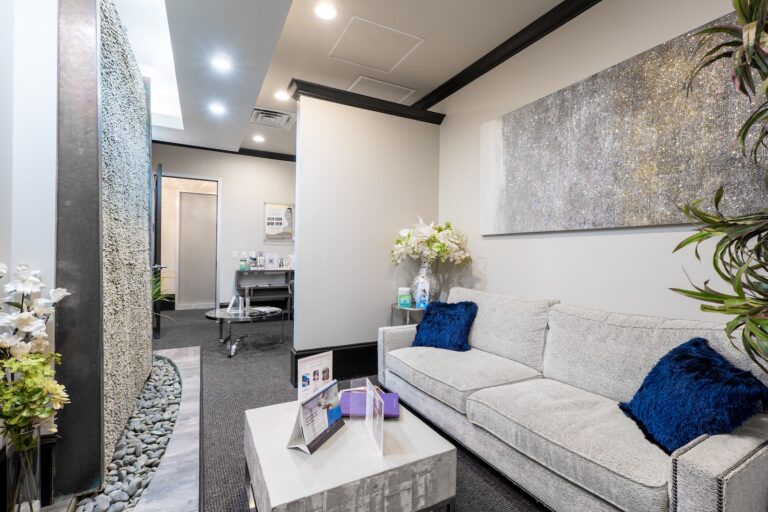
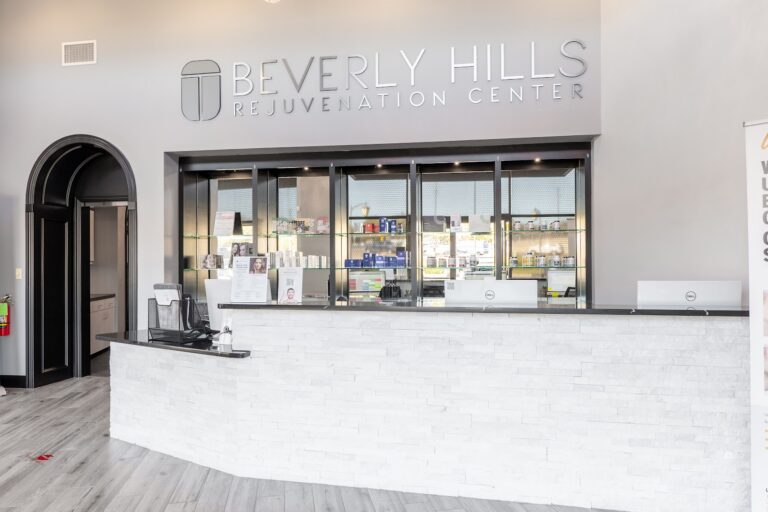
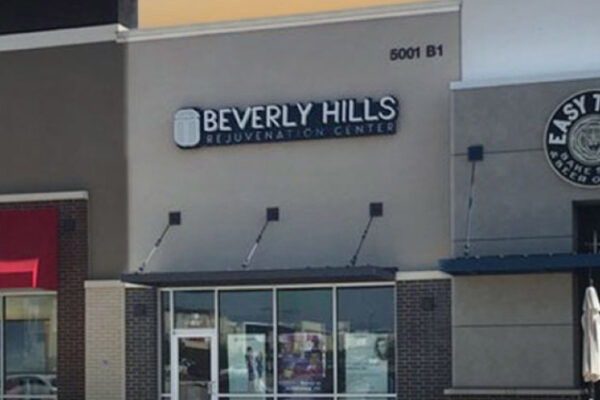
Available at all 22 centers. Pick your closest for directions, hours and local pricing.
West Hollywood, CA
8550 Santa Monica Blvd, Ste 101
West Hollywood, CA 90069

Westlake Village, CA
968 South Westlake Blvd, Ste 10
Westlake Village, CA 91361




Las Vegas, NV
1825 Festival Plaza Dr, Ste 180
Las Vegas, NV 89135

Henderson, NV
120 S Green Valley Pkwy, Ste 174
Henderson, NV 89012




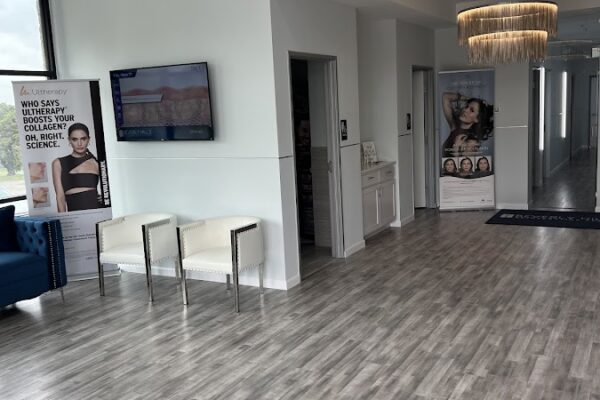
Bee Cave, TX
3944 Ranch Rd 620 S, Bldg 1, Ste 100
Bee Cave, TX 78738


San Antonio, TX
23110 W Interstate 10 Frontage Rd, Ste 203
San Antonio, TX 78257

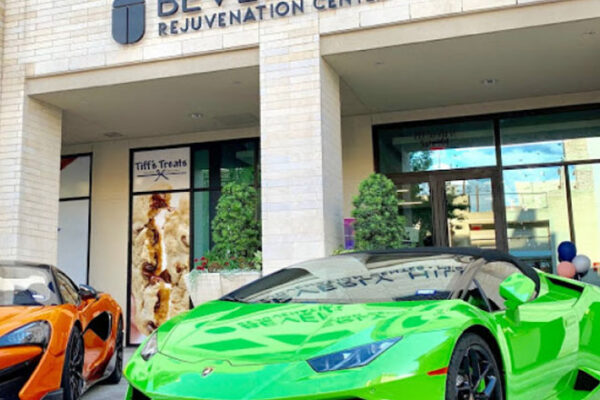

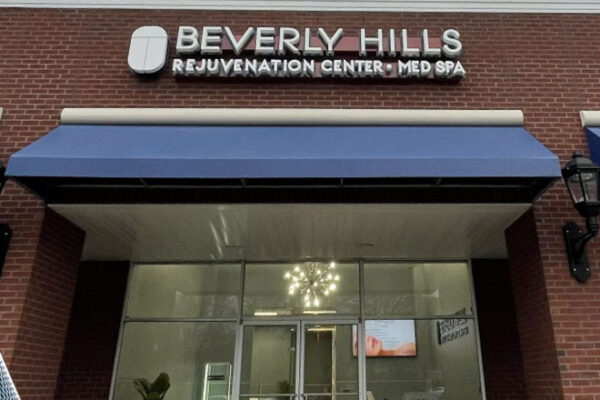
Tell us what you are considering and where, and a provider will be in touch.
"*" indicates required fields
Start your journey
Send the form below and we will arrange a complimentary consultation. Your provider will tell you honestly whether an injection is likely to help your joint, or whether you would be better served by an orthopaedic opinion.
Medically reviewed by the BHRC clinical team. Last reviewed August 2026.
This page is for general information and is not medical advice. Treatment suitability, pricing and results vary by individual and are confirmed at consultation with a licensed provider.