BHRC BLOG
Morpheus8 vs. Exion: Which RF Microneedling Treatment Is Right for You?
If you’re researching Morpheus8 vs. Exion RF microneedling in West Hollywood, you’ve likely noticed that both devices come from the same manufacturer — InMode — and both use radiofrequency energy to tighten skin and stimulate collagen. But they are built around fundamentally different delivery mechanisms, and the difference matters more than most comparison articles acknowledge.
At Beverly Hills Rejuvenation Center West Hollywood, we carry Exion — not Morpheus8 — and there are specific clinical reasons why. Here’s an honest breakdown of both devices so you can understand the difference and make an informed decision about which is right for your skin.
What Is Morpheus8?
Morpheus8 is InMode’s fractional RF microneedling device. It works by inserting an array of ultrafine gold-coated needles into the skin at a customizable depth — up to 8mm — and delivering bipolar radiofrequency energy at the needle tips. The controlled thermal injury at depth stimulates collagen and elastin production and can remodel subdermal fat tissue.
Morpheus8 earned a strong reputation for visible skin tightening, particularly along the jawline and neck, and is widely available at med spas nationally. It was one of the first devices to combine microneedling depth with RF heat. Sessions typically cost between $1,200 and $2,500 nationally, depending on treatment area and provider.
Morpheus8 Key Facts
- Technology: Fractional bipolar RF microneedling
- Needle depth: Up to 8mm
- Downtime: 3–7 days (redness, swelling, pinpoint marks)
- Primary mechanism: Collagen stimulation via thermal injury at depth
- Sessions: Typically 1–3, spaced 4–6 weeks apart
- National cost range: $1,200–$2,500 per session
- Skin type caution: Higher PIH risk for Fitzpatrick IV–VI skin tones
What Is Exion?
Exion is InMode’s next-generation platform — built around a fundamentally different RF delivery model. Instead of bipolar RF delivered through needles, Exion uses AI-powered monopolar RF combined with focused ultrasound. The monopolar RF creates a deeper, more uniform energy field in the tissue without requiring needle penetration to that depth.
The critical clinical differentiator: Exion stimulates the skin’s own production of hyaluronic acid (HA) — by up to 120% in clinical studies. Morpheus8 does not have this mechanism. Hyaluronic acid is the primary molecule responsible for skin hydration, plumpness, and the “bounce” that skin loses with age. Rebuilding it from the inside — without filler — is a fundamentally different outcome than collagen stimulation alone. You can learn more about Exion RF microneedling at our West Hollywood location.
Exion Key Facts
- Technology: AI-powered monopolar RF + focused ultrasound
- Delivery: No penetrating needles at treatment depth
- Downtime: Minimal — most patients return to normal activities same day
- Primary mechanism: Collagen stimulation + up to 120% hyaluronic acid production increase
- Sessions: Typically 3–4, spaced 2–4 weeks apart
- Cost at BHRC West Hollywood: From $1,200 per session
- Safe for all Fitzpatrick skin types, including IV–VI
Want a provider’s opinion on what’s right for your skin?
Free consultations at BHRC West Hollywood — no commitment.
Morpheus8 vs. Exion: Direct Comparison
| Feature | Morpheus8 | Exion |
|---|---|---|
| RF type | Bipolar (needle-delivered) | Monopolar (field-based) |
| Collagen stimulation | ✅ Yes | ✅ Yes |
| Hyaluronic acid stimulation | ❌ No | ✅ Up to 120% increase |
| Downtime | 3–7 days | Minimal to none |
| AI-powered energy delivery | ❌ No | ✅ Yes |
| Safe for darker skin tones (IV–VI) | ⚠️ Higher PIH risk | ✅ Safe for all types |
| Cost per session | $1,200–$2,500 (national avg) | From $1,200 at BHRC WH |
| Best for | Deep laxity, acne scars, body | Skin quality, hydration, tightening, texture |
The Downtime Difference
This is often the deciding factor for patients in West Hollywood and Los Angeles, where many people have active professional and social lives they can’t pause for a week.
Morpheus8 downtime is real. The needles create micro-channels in the skin, and the RF energy generates significant heat at depth. Most patients experience 3–7 days of noticeable redness, swelling, and tiny pinpoint marks across the treatment area. Makeup coverage is possible by day 3–5 for some patients, but you’re not walking into a client meeting the next morning.
Exion downtime is minimal. Because the primary RF delivery is monopolar field-based rather than needle-puncture-based, the surface disruption is significantly less. Most patients experience mild redness for a few hours and return to normal activities the same day or the next morning. A topical numbing cream is applied before treatment, and most patients describe the sensation as a warming pressure rather than pain.
The Hyaluronic Acid Advantage
As we age, the skin’s ability to produce hyaluronic acid declines. This is why skin looks less “plump” and hydrated even when properly moisturized — topical HA doesn’t penetrate past the surface layers. The only way to meaningfully increase dermal HA is to stimulate the fibroblasts that produce it — which is exactly what Exion’s monopolar RF does.
In clinical studies, Exion demonstrated up to a 120% increase in hyaluronic acid production in treated tissue. If your concern is skin laxity alone, both devices can address it. If your concern is overall skin quality — the combination of tightness, hydration, plumpness, and texture — Exion addresses more of the picture in a single treatment series.
Which Device Is Safer for Your Skin Tone?
This is a clinically important distinction that most comparison articles skip. Both devices are marketed as safe for all skin types, but the risk profile differs significantly for patients with Fitzpatrick IV–VI skin tones (medium-brown to dark complexions).
Morpheus8 carries a documented risk of post-inflammatory hyperpigmentation (PIH) in patients with Fitzpatrick IV–VI skin. The needle-delivered RF creates concentrated heat at the dermis-epidermis junction — a depth and intensity that can trigger excess melanin production in darker skin tones, leaving hyperpigmented marks that can persist for months.
Exion’s monopolar RF field distributes energy more uniformly through tissue without the concentrated surface trauma of needle puncture. Clinical practice across Fitzpatrick types IV–VI has shown a significantly lower PIH incidence. If you have a medium to dark complexion, this is a meaningful safety differentiator between the two devices.
Which Concerns Each Device Addresses Best
Morpheus8 is generally preferred for:
- Significant skin laxity with deep tissue involvement
- Acne scar treatment requiring deep dermal remodeling
- Body contouring in areas like the abdomen or inner arms
- Patients who are less concerned about downtime
Exion is generally preferred for:
- Overall skin quality improvement (texture, tone, hydration, firmness)
- Patients who need minimal downtime — same-day return to activity
- Fine lines and early to moderate laxity
- Patients with Fitzpatrick IV–VI skin tones
- Patients who want collagen + HA stimulation in a single treatment
The question we get most often from patients who come in asking about Morpheus8 is: “Why don’t you offer it?” The honest answer is that we evaluated both platforms clinically and chose Exion because of the hyaluronic acid mechanism and the downtime profile.
In a market like West Hollywood, where our patients often have demanding schedules and high aesthetic standards, a device that delivers superior skin quality outcomes with same-day recovery is the better clinical tool. Morpheus8 is a legitimate device with real results — we’re not dismissing it. But when the clinical comparison is done side by side, Exion’s mechanism addresses more of what our patients actually want: not just tighter skin, but skin that looks healthier, more hydrated, and more youthful from the inside.
— BHRC Clinical Team
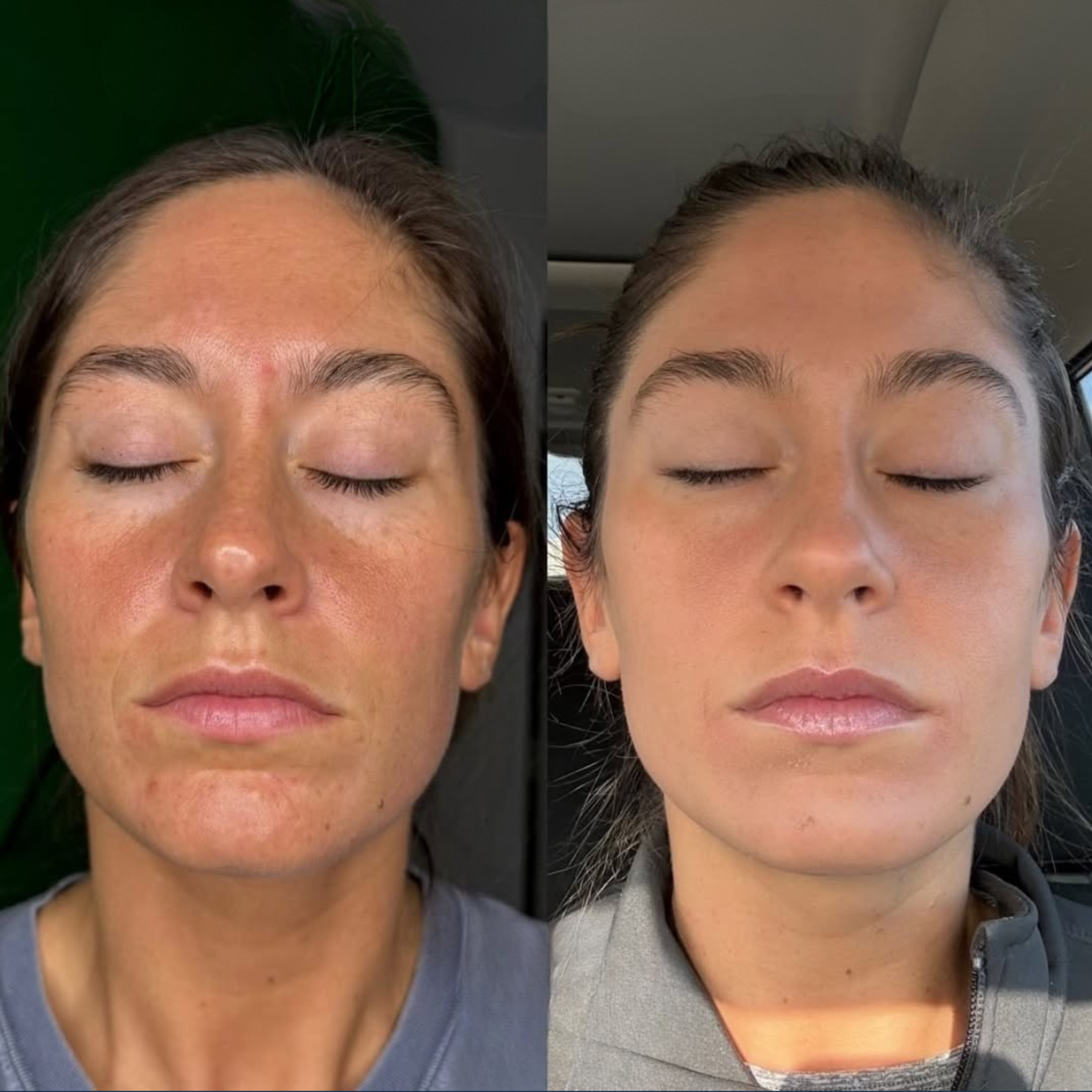
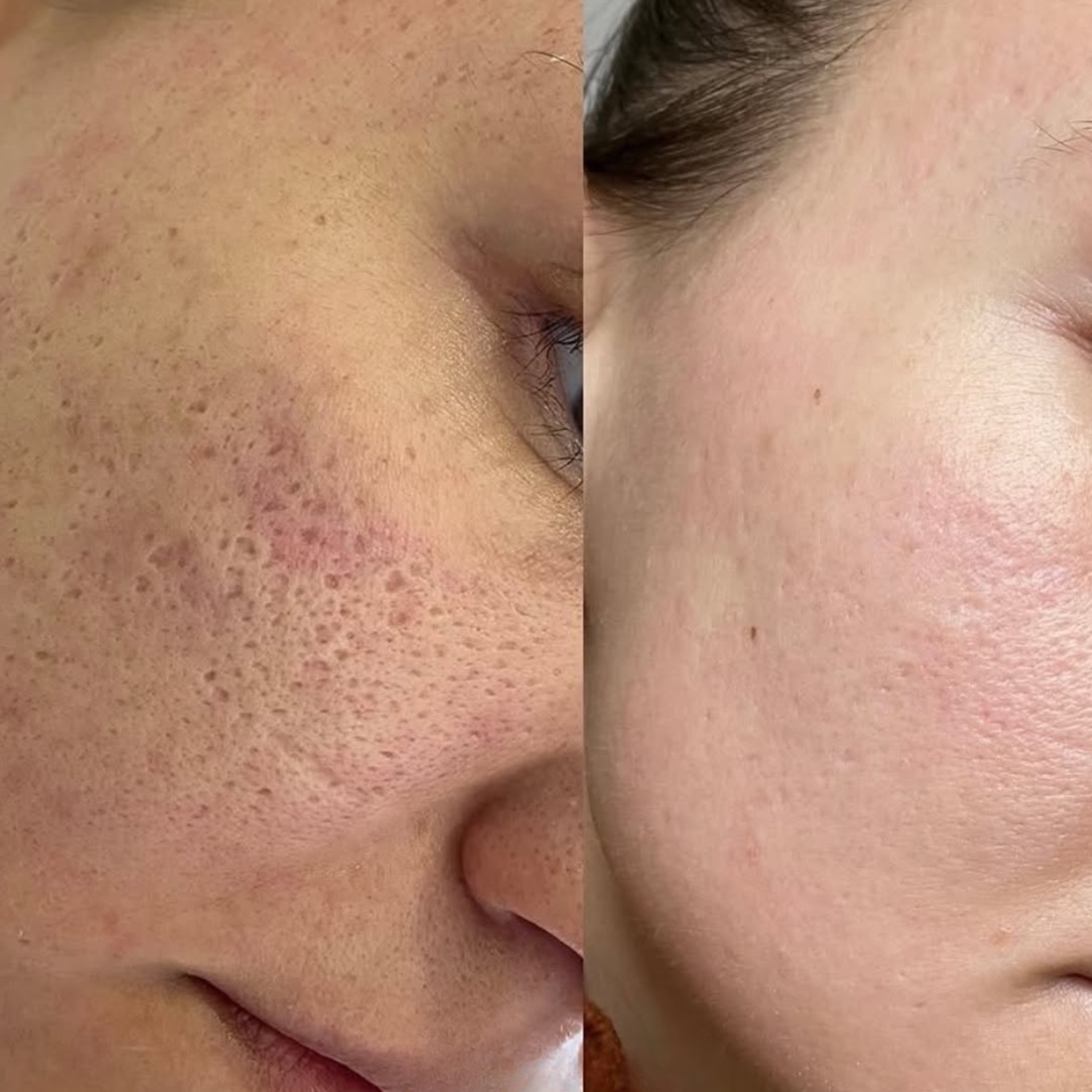
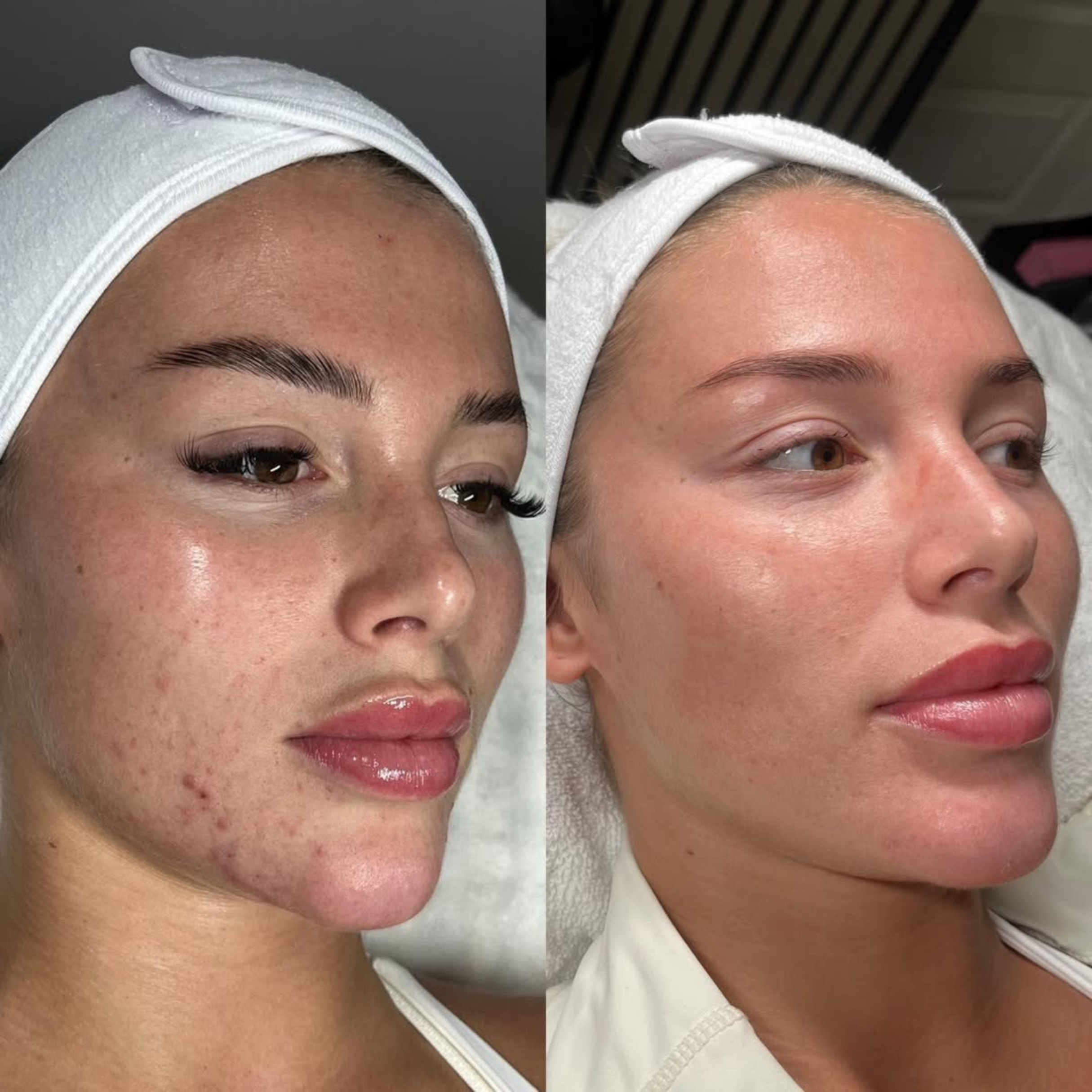
Exion RF Microneedling: Before & After
The following results were achieved with RF microneedling treatments at Beverly Hills Rejuvenation Center. Individual results vary.
See results like these at BHRC West Hollywood.
Book a free consult — our providers build a custom plan at no cost.
Who Is Exion Right For?
Exion is appropriate for most adults experiencing early to moderate skin laxity, fine lines, textural irregularities, or loss of skin hydration and plumpness. It works on all skin types and tones.
Exion may not be appropriate if you:
- Have active acne or open wounds in the treatment area
- Have a pacemaker or metal implants near the treatment area
- Are pregnant or breastfeeding
- Have a history of keloid scarring
Exion RF Microneedling in West Hollywood: What to Expect at BHRC
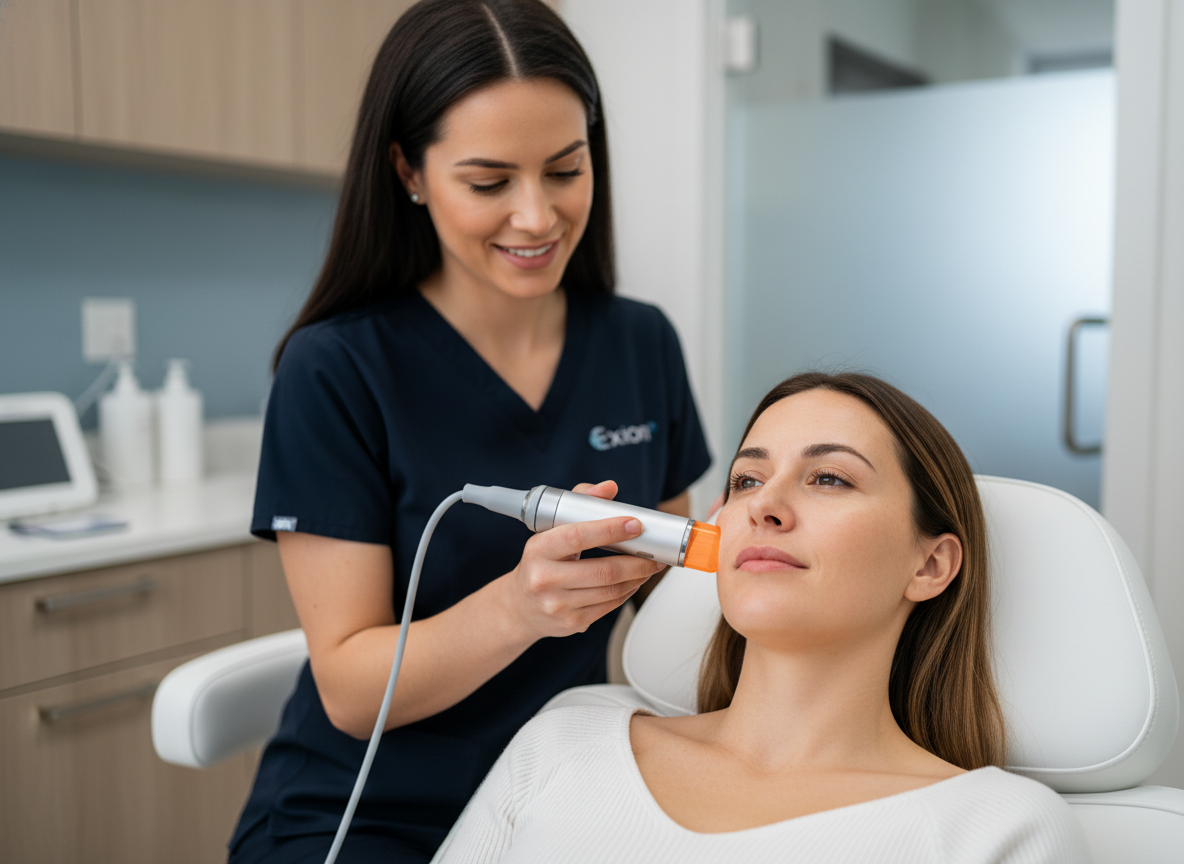
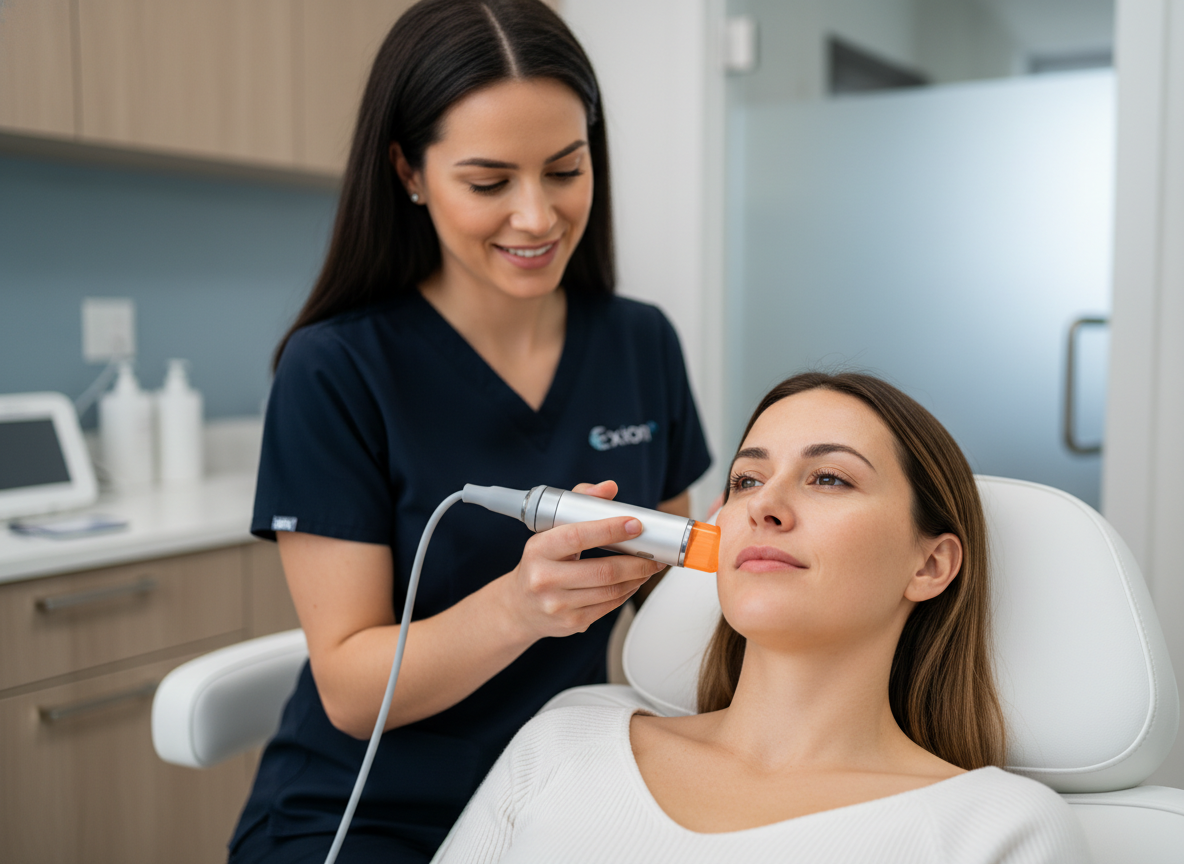
Every Exion treatment at BHRC West Hollywood begins with a free consultation to assess your skin concerns and build a personalized protocol. Sessions typically take 30–60 minutes. A topical numbing cream is applied 20–30 minutes before treatment. Most patients experience mild redness for a few hours, then return to their normal day.
Initial improvement in skin texture and hydration is visible within 2–4 weeks. Full collagen and HA remodeling results develop over 3–6 months. Most patients complete 3–4 sessions spaced 2–4 weeks apart for optimal results, then a single annual maintenance session. Sessions at BHRC West Hollywood start at $1,200, with package pricing available for a full series.
Ready to See What Exion Can Do?
Book a free consultation with one of our West Hollywood providers. No commitment required — we’ll assess your skin and build a personalized treatment plan.
Book Your Free Consultation(323) 859-1257
Frequently Asked Questions
Is Exion better than Morpheus8?
For most patients seeking skin quality improvement with minimal downtime, Exion is the stronger choice. Its monopolar RF + ultrasound mechanism stimulates up to 120% more hyaluronic acid production — a benefit Morpheus8 does not offer. Morpheus8 may be preferred for deeper laxity correction or acne scarring where needle penetration depth is advantageous.
Is Exion painful?
Exion is generally well-tolerated. Most patients describe a warming sensation during treatment. Because Exion does not use penetrating needles at depth, it is typically more comfortable than Morpheus8. A topical numbing cream is applied before every treatment at BHRC.
Is Exion safe for darker skin tones?
Yes. Exion is safe for all Fitzpatrick skin types, including IV–VI. Morpheus8 carries a higher risk of post-inflammatory hyperpigmentation in patients with Fitzpatrick IV–VI skin due to concentrated RF heat at needle tips. For patients with medium to dark complexions, Exion is the safer choice.
How long do Exion results last?
Results from an Exion series typically last 12–18 months. Because Exion stimulates the body’s own collagen and hyaluronic acid production, results develop gradually and maintain well. Most patients schedule a single maintenance session annually.
Does BHRC offer Morpheus8?
No. After evaluating both platforms clinically, BHRC chose Exion for its hyaluronic acid stimulation mechanism and same-day recovery profile.
What does Exion cost at BHRC West Hollywood?
Sessions start at $1,200. Package pricing for a full series is available. Financing through CareCredit and Alphaeon Credit is accepted.
What is the cost of Morpheus8?
Morpheus8 nationally ranges from $1,200 to $2,500 per session depending on treatment area and provider. BHRC does not offer Morpheus8 — we offer Exion starting at $1,200 per session at our West Hollywood location.
How many Exion sessions do I need?
Most patients see optimal results with 3–4 Exion sessions spaced 2–4 weeks apart. Results continue to improve for 3–6 months after the series as collagen and hyaluronic acid production peaks.
READ NEXT
RF Microneedling in West Hollywood: What to Expect at BHRC →
RF Microneedling Cost in Los Angeles (2026 Guide) →
What to Expect After RF Microneedling: Recovery Timeline →
The BHRC clinical team in West Hollywood walks through the full treatment experience — step-by-step, from consultation to peak results at month 4–6.
² Gold MH. Monopolar radiofrequency: a review of the literature and clinical outcomes. J Clin Aesthet Dermatol. 2022.